


Do Socks Even Matter When Cycling?
If you’ve invested in a good helmet, bib shorts, and a proper pair of cycling shoes, it’s fair to ask: do socks even matter when cycling? The honest answer is yes, but not because socks magically make you faster.
Cycling socks matter because your feet are trapped in stiff, close-fitting shoes for hours at a time. Small comfort issues like heat, sweat, friction, and pressure points tend to compound into blisters, numb toes, and “dead feet” on longer rides. The right cycling socks help manage moisture, reduce friction, improve fit inside the shoe, and if you choose compression cycling socks, support circulation and recovery.
Below is a practical, athlete-focused guide to what makes cycling socks different, which features are worth paying for, and how to choose the best option for your riding.
Why Regular Socks Fail on the Bike
Regular everyday socks can work for short, easy rides. The problems usually show up when the pace increases, the weather changes, or the ride goes beyond an hour.
Common Issues Like Blisters and Numbness
Most cycling foot problems aren’t caused by a single “bad” item. They’re caused by a chain reaction:
- Sweat builds up
- Fabric stays damp
- Your foot shifts slightly with each pedal stroke
- Friction increases across hot spots
- Skin softens and becomes more prone to rubbing
That’s a classic setup for blisters, especially around the toes, heel, and ball of the foot. Numbness is also common, often triggered by a mix of heat, swelling, and pressure inside tight shoes. If your socks bunch up, hold moisture, or have bulky seams, those pressure points get worse fast.
This is where moisture wicking socks for cycling and smooth toe construction can make a noticeable difference in comfort.
Poor Fit and Power Loss in Cycling Shoes
Cycling shoes are designed to fit snugly and transfer force efficiently. Thick or loose socks can interfere with that fit by:
- Creating folds that press into the foot
- Allowing micro-slippage that causes rubbing
- Filling volume unevenly, which can lead to over-tightening straps or dials
While “power loss” from socks is not something most riders can measure ride-to-ride, foot stability is real. A sock that holds its shape and sits smoothly helps your shoe fit the way it was intended, secure, even, and consistent through thousands of pedal strokes.
How Cycling Socks Deliver Real Performance Gains
To be clear, there’s no definitive proof that socks deliver huge performance boosts. But cycling socks can improve the inputs that support performance, comfort, circulation, temperature control, and consistency, especially on longer rides.
Compression for Better Circulation and Reduced Fatigue
Compression is one of the most discussed cycling sock benefits, and for good reason. The most consistent evidence around compression relates to:
- Supporting blood circulation
- Reducing lower-leg heaviness during long efforts
- Improving perceived fatigue
- Helping post-ride recovery by supporting venous return
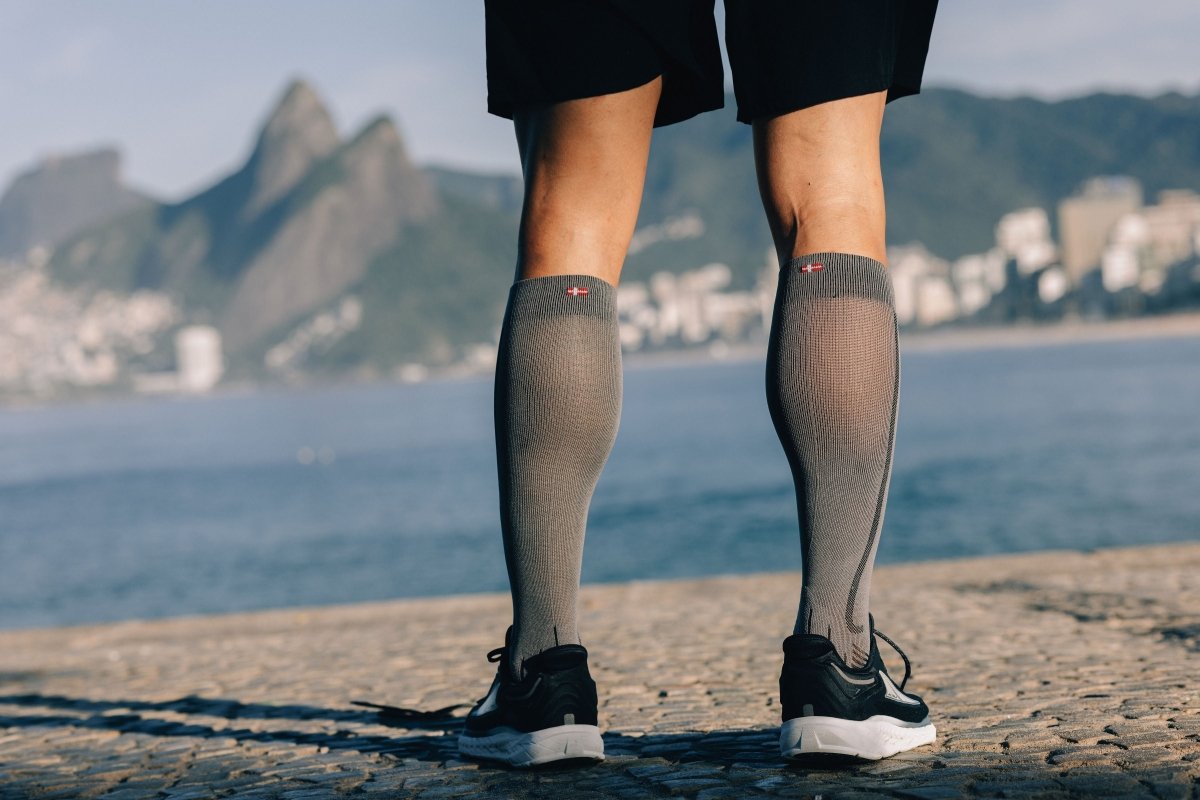
For endurance cyclists who ride long, train frequently, or struggle with heavy legs after back-to-back sessions, compression for recovery is often worth trying.
If you’re curious, explore Danish Endurance’s compression gear to build a recovery setup that supports high training volume.
Moisture-Wicking and Breathability for Dry Feet
Hot feet become swollen feet. Swollen feet become tight feet. Tight feet become numb feet.
A good pair of performance cycling socks prioritizes breathability and fast drying. That typically means:
- Moisture-wicking yarns that move sweat away from the skin
- Ventilation panels where heat builds up most
- A thin profile that works with snug cycling shoes
Dry feet are not just about comfort. They’re about reducing friction and preventing the softened-skin effect that leads to blisters. If you tend to finish rides with soaked socks, upgrading to purpose-built cycling socks is one of the simplest changes you can make.
For riding-specific options, start with Danish Endurance premium cycling socks designed for breathability, fit, and durability.
Key Features That Matter for Endurance Cyclists
Not all cycling socks are built the same. If you want socks that hold up to long rides and repeated washing, focus on construction details, not just looks.
Seamless Construction and Blister Prevention
Blister prevention comes down to minimizing friction and pressure points, especially at the toes.
Look for:
- Smooth or seamless toe construction to reduce rubbing in the forefoot
- A snug midfoot and arch fit that prevents fabric from sliding
- A stable heel pocket that stays put on climbs and out-of-saddle efforts
These features matter more the longer you ride and the hotter the conditions get. They’re also useful across sports, many riders look for the same anti-blister design in running socks, where repetitive impact creates similar friction challenges.
Materials Like Merino Wool for Temperature Control
One of the most practical questions riders ask is: what are the best materials for cycling socks?
Two common performance approaches are:
- Technical synthetics (often lightweight, fast drying, durable)
- Merino wool blends (excellent temperature regulation, moisture handling, and odor resistance)
Yes, merino wool socks for cycling can work extremely well, especially in variable weather or shoulder seasons where you start cold and finish warm. Merino helps regulate temperature and retains performance even when damp, which is useful on long rides, commutes, or unpredictable conditions.
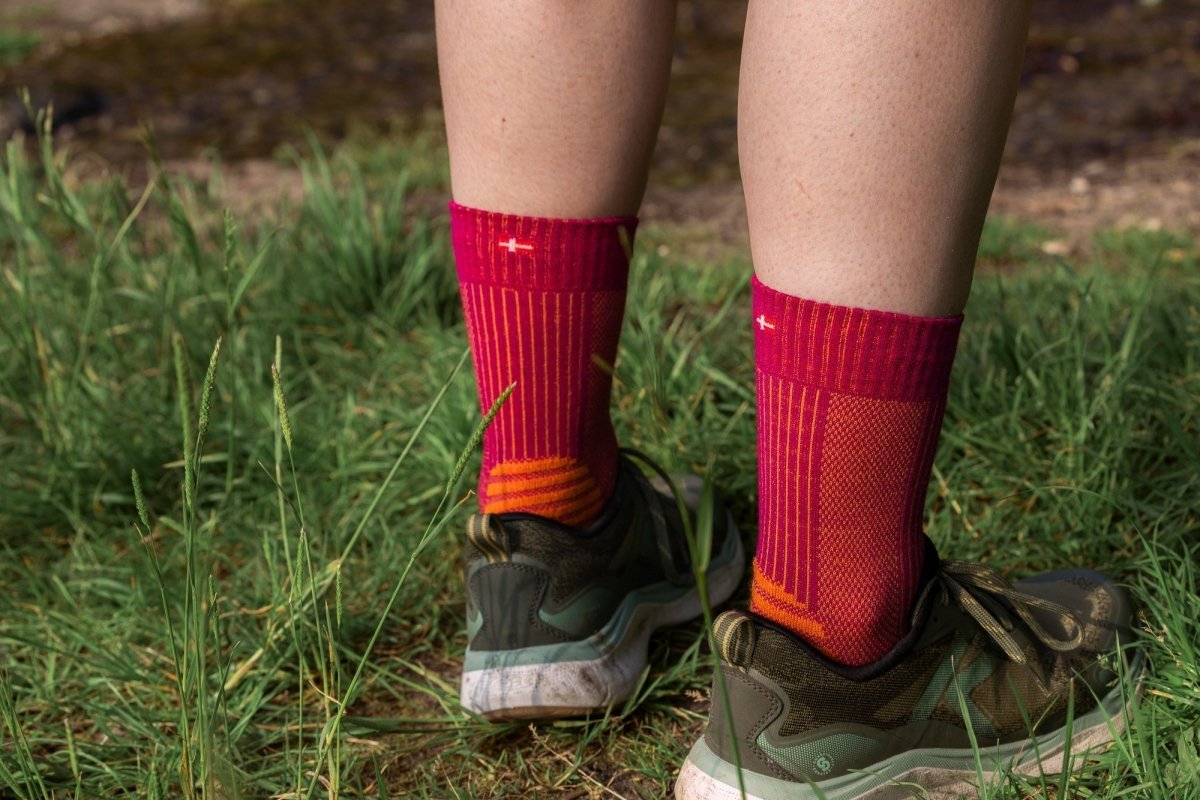
If you ride beyond cycling, think hikes, bikepacking, or long days on mixed terrain, merino and durable cushioning design carry over well into hiking socks too.
Height, Grip, and Aero Options for Stability
Sock height is partly personal preference and partly practical.
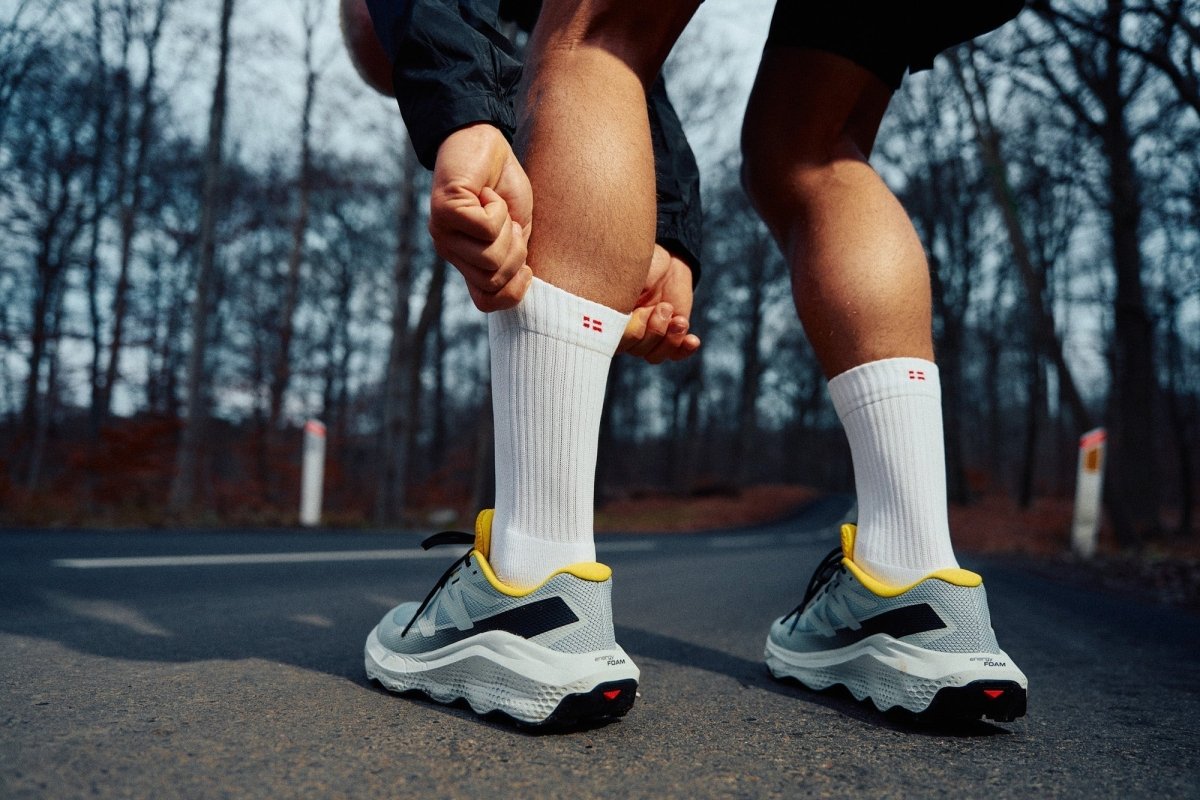
- Mid-calf or crew (often 7 to 8 inches): popular for protection, a secure feel, and a clean interface with leg warmers
- Long cycling socks: can be useful if you want more coverage or mild compression benefits
- Aero socks cycling: designed to reduce drag with textured fabric around the lower leg
Are aero socks worth it? For most riders, aero gains are marginal. If you race, ride time trials, or care about every watt, aero socks can make sense. For everyday training and endurance riding, you’ll get more value from comfort, fit, and blister prevention.
Grip elements can also help, especially if you experience foot movement inside the shoe. A stable sock helps keep your foot positioned consistently over long steady efforts.
Practical Tips to Maximize Sock Performance
Even the best cycling socks won’t help if they’re the wrong thickness, the wrong size, or paired with an uncomfortable shoe setup.
Choosing the Right Thickness and Fit
Use these guidelines as a starting point:
- If you get numb feet: choose a thinner, more breathable sock and avoid extra bulk that increases pressure
- If you get blisters: prioritize smooth toes, snug fit, and moisture management
- If you ride in heat: choose lightweight, ventilated socks that dry fast
- If you ride in cooler weather: consider merino blends or slightly thicker options for warmth without overheating
The sock should feel snug without cutting off circulation. If you see deep marks around the cuff or feel tingling early in the ride, reassess sizing and how tight you’re fastening your shoes.
Pairing with Danish Endurance Gear for Long Rides
Socks are one part of a system, feet, shoes, bibs, layers, and recovery all influence how good you feel on longer rides.
For long-distance comfort, consider adding:
- Base layers to manage sweat and temperature from the core outward
- Compression gear for post-ride recovery and frequent training blocks
- Cross-training staples like running socks or hiking socks if your training includes running, hiking, or bikepacking
A full endurance kit doesn’t need to be complicated. It just needs to remove small problems before they become ride-ending ones.
Tested Benefits for Real-World Cycling
So, do cycling socks make a difference? In real-world terms, yes, mainly by helping you stay comfortable and consistent.
What you can realistically expect from quality cycling socks:
- Fewer hot spots and blisters thanks to smoother construction and moisture management
- Less dampness and overheating which can reduce swelling and improve comfort in tight shoes
- Better in-shoe stability due to a secure fit that doesn’t bunch or slide
- Potential recovery support with compression models, especially on heavy training weeks
- Long-term durability when materials and construction are built to withstand repeated washing and long-distance use
What you should not expect:
- A dramatic speed increase solely from socks
- A fix for all numbness issues (shoe fit, cleat position, and tightening habits matter too)
If you’re skeptical, that’s reasonable. The best way to evaluate cycling socks vs regular socks is to test them on the rides that expose problems: long endurance days, hot climbs, rainy commutes, or hard interval sessions where your feet sweat and swell.
If you want a reliable starting point, browse Danish Endurance premium cycling socks built with a performance fit and endurance-focused durability.
FAQ
Do cycling socks actually improve performance?
They can improve the factors that support performance, comfort, foot stability, and with compression, circulation and perceived fatigue. The gains are usually subtle, but they add up on longer rides.
What makes cycling socks different from regular socks?
Cycling socks are typically thinner, more moisture-wicking, and designed with a more precise fit. Many also use smooth toe construction to reduce friction and help prevent blisters and slippage inside stiff cycling shoes.
Are compression socks worth it for cycling?
For long rides, frequent training, or riders who want better recovery support, compression can be worth it. Compression socks can help support blood flow and reduce post-ride heaviness. See Danish Endurance compression gear for recovery-focused options.
How do I prevent blisters with cycling socks?
Choose socks with a snug fit, moisture-wicking materials, and a smooth toe. Avoid thick, bunchy fabric inside tight cycling shoes and make sure your shoes aren’t overly tightened as your feet swell.
What height socks are best for cycling?
Mid-calf or crew height is a common choice for comfort and protection. Longer socks can offer more coverage and may be preferred for mild compression or cooler conditions.
Can cycling socks help with foot numbness?
They can help when numbness is made worse by heat, sweat, and pressure points. Breathable, thin socks with a stable fit can reduce moisture and bulk. If numbness persists, also check shoe fit, cleat position, and how tight you’re fastening your shoes.
Are merino wool socks good for cycling?
Yes. Merino wool blends regulate temperature well, manage moisture, and resist odor, useful for long rides and changing conditions. They’re also a solid option for multi-sport use like hiking.
Do aero cycling socks make a real difference?
Aero socks can offer small aerodynamic savings, mainly relevant for racing and time trials. For most riders, comfort, fit, and moisture management provide more noticeable day-to-day benefits.

What makes Merino Wool special?
Do Socks Even Matter When Cycling?