

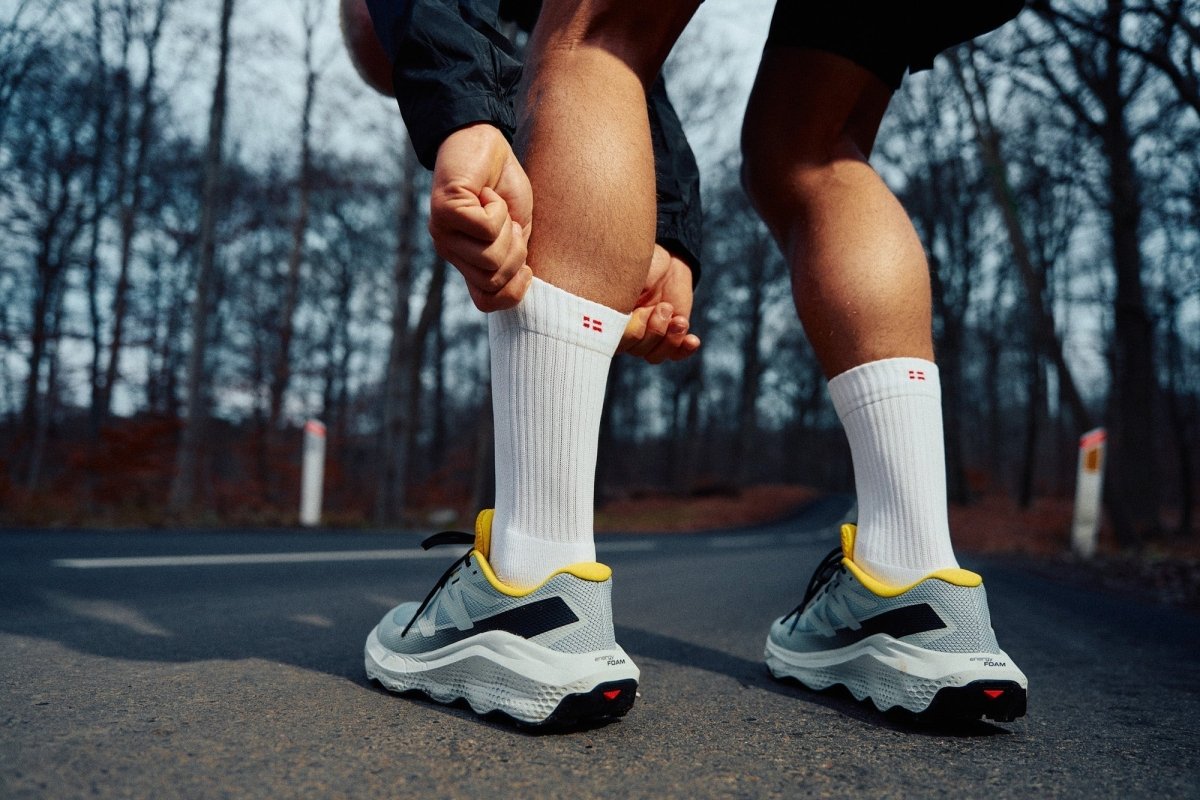
How to Avoid Blisters During Summer: Practical Tips for Runners, Hikers, and Active Feet
If you’ve ever finished a summer run or hike with burning heels or sore toes, you know how it goes. Heat, sweat, and repetitive movement can turn a small hot spot into a blister in no time. The good news is that summer blister prevention comes down to managing four things: friction, moisture, heat, and pressure.
Below you’ll find practical, sport-focused steps to help you avoid blisters during summer, from choosing the right socks to dealing with hot spots before they turn into a problem.
Why blisters happen more often in summer
Blisters are not a sign your feet are “weak.” They happen when your skin gets stressed by movement and moisture inside your shoes. Summer simply makes those conditions easier to create.
Heat increases sweat and softens the skin
In warm weather, your feet sweat more. That moisture softens the outer layer of skin, making it less resistant to rubbing. A shoe and sock combo that feels fine in spring can start causing issues once temperatures climb.
Moisture and friction work together
Friction triggers blisters, but moisture makes friction worse. Damp skin and damp fabric increase “grab,” so instead of sliding smoothly, your sock can tug at the skin with every step or pedal stroke. That repeated shear is what creates the fluid-filled blister.
Long sessions make the risk worse
The longer you move, the more chances friction has to build. Summer also tends to bring longer outings, holiday hikes, long runs, endurance rides, so small fit issues (sock bunching, heel slip, toe rub) get more time to turn into pain.
Choose socks that manage sweat and reduce friction
If you want the most effective single change to prevent blisters in summer, start with socks. The right pair manages sweat, stabilizes the foot, and reduces rubbing in common hot-spot areas.
Why moisture-wicking socks matter
Moisture wicking socks pull sweat away from the skin so it can evaporate. That keeps your feet drier and reduces the damp friction that causes blisters. For runners and hikers, it’s often the difference between “wet and rubbing” and “humid but stable.”
For long, hot sessions, consider purpose-built options like Long Distance Running Socks, designed to stay secure and comfortable when conditions get tough.
"These socks are excellent. I did an ultra marathon in them. Not one blister! My feet got wet and still survived."
— Sally L.
Merino wool vs technical synthetic fibers
Both can work well for summer running socks and hiking. What matters is fit and moisture control.
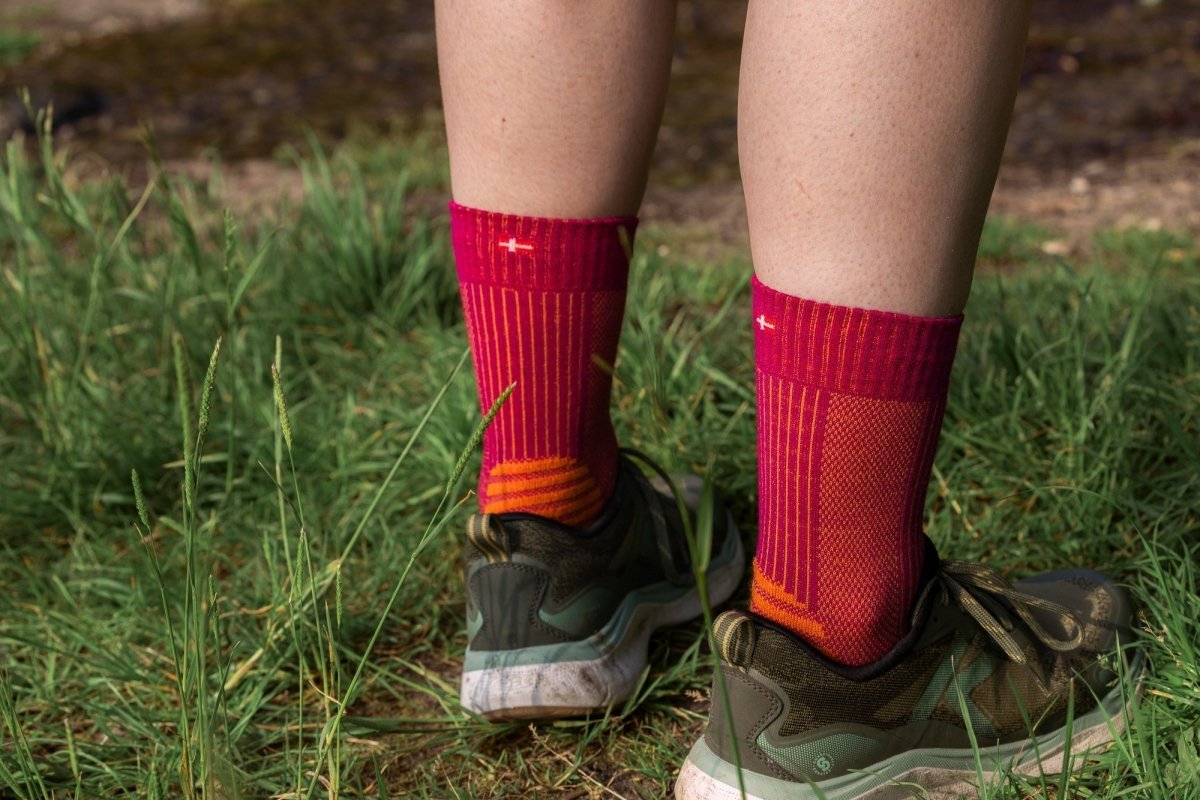
- Merino wool helps regulate temperature and can manage moisture without feeling clammy. It’s a strong choice for long hikes where conditions change (sun, shade, elevation). For warm-weather trekking, Merino Hiking Socks Light are a practical option.
- Technical synthetics often dry fast and feel especially light in hot weather. They’re popular for running and high-sweat training where quick drying matters.
Why cotton increases blister risk
Cotton absorbs sweat and holds onto it. Once it’s wet, it stays wet, so your foot sits in a damp environment that increases friction and softens skin. If you’re serious about preventing sweaty feet blisters, cotton is usually the first thing to swap out.
Seamless construction and targeted cushioning
Look for features that reduce rubbing and pressure:
- Smooth or seamless toe areas to reduce toe blisters
- Targeted cushioning where impact and friction are highest (heel/forefoot)
- A secure, stable fit so the sock doesn’t slide or bunch
If you want a lighter, close-to-shoe feel for warm days, Low Cut Running Socks can reduce bulk while still supporting moisture management.
Make sure your shoes fit correctly in warm weather
Socks can’t fix a shoe that rubs. Summer is also when shoe fit problems show up, because feet tend to swell more in the heat.
Check toe room and heel lock
Two common blister zones are the toes and heel:
- Toe blisters often come from a tight toe box or toes repeatedly hitting the front on descents.
- Heel blisters often come from heel slip, your heel lifting slightly with each step.
A secure heel and enough toe room reduce both friction and pressure.
Avoid shoes that are too tight when feet swell
If your shoes feel “perfect” at the start but tight after 30 to 60 minutes in the heat, you may be starting too snug. In summer, consider:
- Lacing adjustments for better heel lock without crushing the forefoot
- Slightly more volume in the toe box if you’re doing long distances
Replace worn-out shoes and insoles
As midsoles and heel counters break down, your foot can move more inside the shoe. That extra movement increases friction. If blisters appear suddenly in shoes that used to work, check wear patterns and consider replacing insoles or the shoes themselves.
Keep feet dry before and during activity
Blister prevention starts before you step outside. A few small habits make a big difference in hot weather.
Start with clean, dry feet
Before running, hiking, or training:
- Wash and dry feet thoroughly (especially between toes)
- Trim toenails to reduce pressure and toe rub
- Use a small amount of anti-chafe balm if you know specific areas always rub
Change socks after heavy sweat or long sessions
On long hikes, ultra training, or travel days, carrying a spare pair is one of the simplest ways to keep feet dry and blister-free in summer. Changing into dry socks resets moisture and reduces friction immediately.
Use foot powder or moisture control if needed
If you sweat heavily, foot powder can reduce dampness and improve the “slide” between skin and sock. It’s especially useful for people prone to soft, wrinkled skin during long outings.
Reduce friction before it turns into a blister
The key skill is catching problems early. A blister rarely shows up without warning.
Watch for hot spots early
A hot spot feels like localized burning, tingling, or irritation. Treat it as a stop sign. If you keep going, the skin layers keep shearing until a blister forms.
Use blister tape or protective patches
For early hot spots:
- Stop and dry the area
- Apply blister tape or a protective patch smoothly (no wrinkles)
- Make sure the sock goes back on without bunching
This is one of the best answers to “**How do I treat a hot spot before it becomes a blister?**” because it tackles friction immediately.
Layer smartly for long-distance training
For some hikers and ultra runners, a thin liner sock under a main sock can reduce friction by allowing movement between layers instead of against skin. It’s not mandatory for everyone, but it can help on very long days or in boots.
Choose the right gear for your sport
Different sports create different friction patterns. Matching socks to your activity is a practical way to reduce blister risk.
Running
Running creates repetitive impact and heat buildup. Prioritize:
- Secure fit (no sliding)
- Moisture control
- Smooth toe construction
For long runs in hot weather, Long Distance Running Socks are built for extended time on feet.
Hiking
Hiking adds longer duration, uneven terrain, and often heavier footwear. Prioritize:
- Durable fabric
- Cushioning in pressure zones
- Moisture management for all-day comfort
For warm conditions, Merino Hiking Socks Light help balance breathability and comfort.
Cycling
Cycling involves steady foot position, pressure points, and heat in the shoe. Prioritize:
- Thin, breathable construction
- Stable fit to avoid bunching
- Fast drying for sweaty rides
A practical option for summer rides is Regular Cycling Socks.
Gym and training
In the gym, blisters often come from lateral movement, repeated friction in the forefoot, or socks slipping during intervals. Choose socks that stay put and manage sweat, especially if you train in warm indoor spaces.
What to do if you already feel a hot spot
Ignoring it is the fastest way to lose a session, or the next few days. Use this quick protocol.
Stop and protect the area
Pause as soon as you notice the hot spot. Continuing “just a little longer” is how minor irritation becomes a full blister.
Clean and dry the skin
Dry the area and remove grit or sand if you’re outdoors. Even tiny particles can dramatically increase friction.
Continue only if the area is protected and pain-free
Once taped or covered, walk or jog a few steps. If it still hurts, reassess your shoe fit, lacing, and sock placement before continuing.
Best fabrics and features to look for in summer
When you’re choosing the best socks for hot weather, focus on performance features that reduce friction and manage sweat reliably.
Breathability
Breathable knits and ventilation zones help heat escape, reducing sweat buildup inside the shoe.
Moisture-wicking performance
Look for materials that move moisture away from the skin and dry efficiently. This is the foundation of summer blister prevention.
Fit and stability
A sock that slips creates folds and pressure points. A stable fit reduces foot friction and keeps cushioning where it belongs.
Durability for repeated use
Summer often means higher training volume. Durable socks hold their shape and performance after repeated washing and long sessions, important for consistent comfort.
FAQ
Why do I get more blisters in summer?
Heat increases sweating and softens skin, which raises friction inside your shoes and socks, especially during long sessions.
What socks are best to prevent blisters?
Moisture-wicking socks made from technical fibers or merino wool, with a smooth toe area and a secure fit that doesn’t slide.
Are cotton socks bad for blisters?
Yes. Cotton holds moisture and stays damp, increasing friction and making skin more prone to blistering.
How do I stop sweaty feet from blistering?
Start with clean, dry feet, wear breathable moisture-wicking socks, and change socks during long or high-sweat sessions. Ventilated shoes also help.
How do I prevent heel blisters in summer?
Reduce heel slip with proper lacing and a secure-fitting sock. If you feel rubbing, stop early and protect the area with blister tape.
What should I do if I feel a hot spot?
Stop, dry the area, and apply blister tape or a protective patch before continuing. Don’t wait for it to “settle.”
Do tighter shoes help prevent blisters?
No. Shoes that are too tight increase pressure and friction, especially when feet swell in warm weather.
Can the right socks really prevent blisters?
They can significantly reduce risk by improving moisture control, reducing friction, and keeping a stable fit inside the shoe.
Choose performance gear designed for comfort in summer
To avoid blisters during summer, stick to the basics: manage moisture, reduce friction, and keep fit stable as conditions heat up. The right socks won’t replace good shoes and smart foot care, but they’re one of the most effective tools you can control.
If you’re building a warm-weather kit, start with sport-specific options like Low Cut Running Socks, Long Distance Running Socks, Merino Hiking Socks Light, or Regular Cycling Socks, and treat hot spots early so you can keep training consistently all summer.
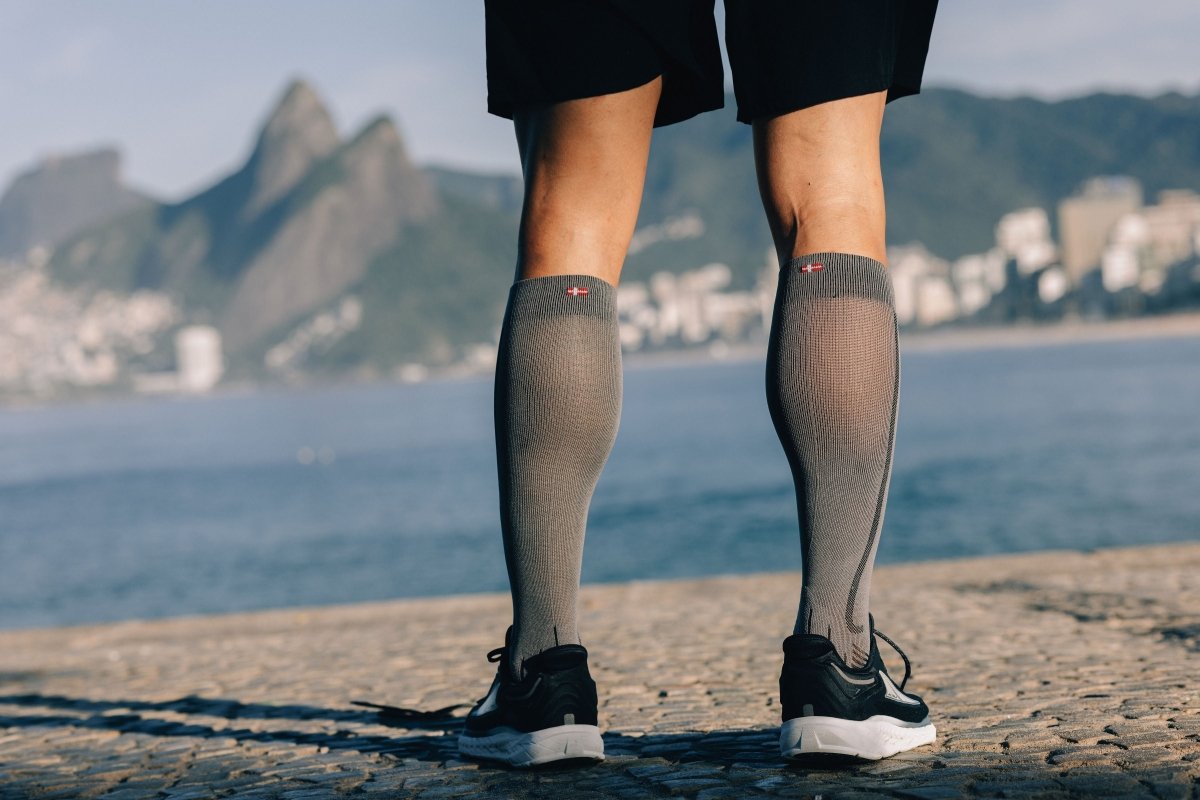
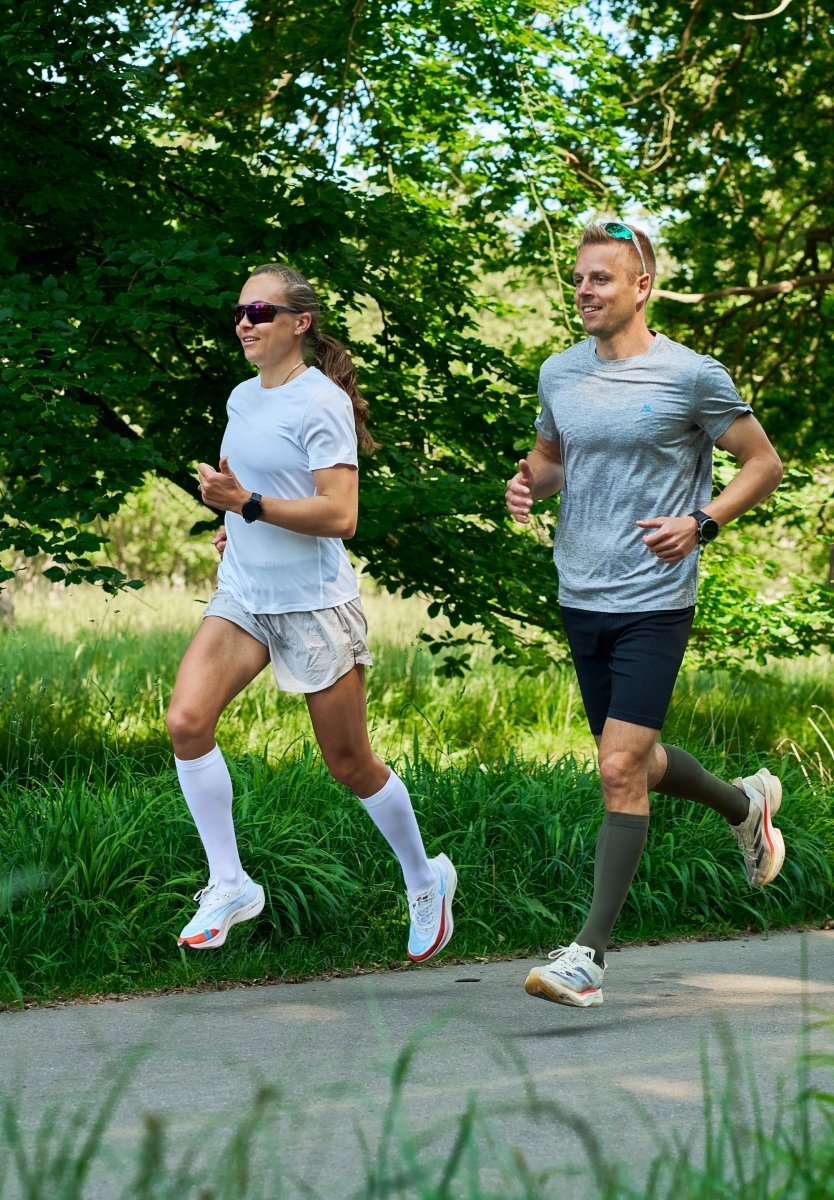

Compression Socks for Running During Summer: Breathable Support, Fit & Compression Guide
Short vs Long Sleeve Cycling Jerseys: How to Choose the Right One for Your Rides