






Merino wool socks that keep your feet dry all day
Merino wool socks excel at managing moisture and temperature naturally. The wool fibers actively transport sweat away from skin while maintaining an ideal temperature balance - keeping feet warm during cold weather activities and cool during summer adventures.
Why do feet stay warm in winter and cool in summer?
The answer lies in the natural structure of merino wool. Each fiber contains tiny air pockets that create an effective temperature buffer. These pockets retain warmth when it's cold outside and release excess heat in warmer conditions. The fibers can absorb up to 30% of their weight in moisture while still feeling dry, making them ideal for activities where staying comfortable is essential, from winter hiking to summer running.
Natural fiber technology in action
Merino wool's unique fiber structure creates a natural defense against bacteria. The surface of each fiber has microscopic scales that form a protective barrier, preventing microbial growth without any chemical treatments. This natural protection system maintains its effectiveness throughout the life of the sock.
The science behind odor resistance
The proteins in merino wool naturally counteract odor-causing bacteria before they multiply. Each fiber contains natural compounds that create an environment where bacteria simply cannot thrive. Unlike synthetic materials that rely on temporary treatments, this protection is permanently built into the wool fiber. This makes merino wool socks particularly practical for multi-day activities when regular washing is not possible.
Advanced comfort features
Strategic cushioning provides support exactly where feet need it most. The anatomical design follows the contours of the foot to prevent bunching and sliding, while ventilation channels work with cushioning zones to maintain comfort during activity. Seamless toe construction eliminates pressure points, and targeted arch compression keeps the socks in place without feeling tight. The flexible cuff design prevents marking while ensuring that the socks stay up, and varying knit densities create zones of support that match natural movement patterns.
Which merino wool socks match your activity?
Different activities demand specific sock features to enhance performance and comfort. Each design addresses particular movement patterns and environmental challenges, ranging from trail adventures to daily wear.
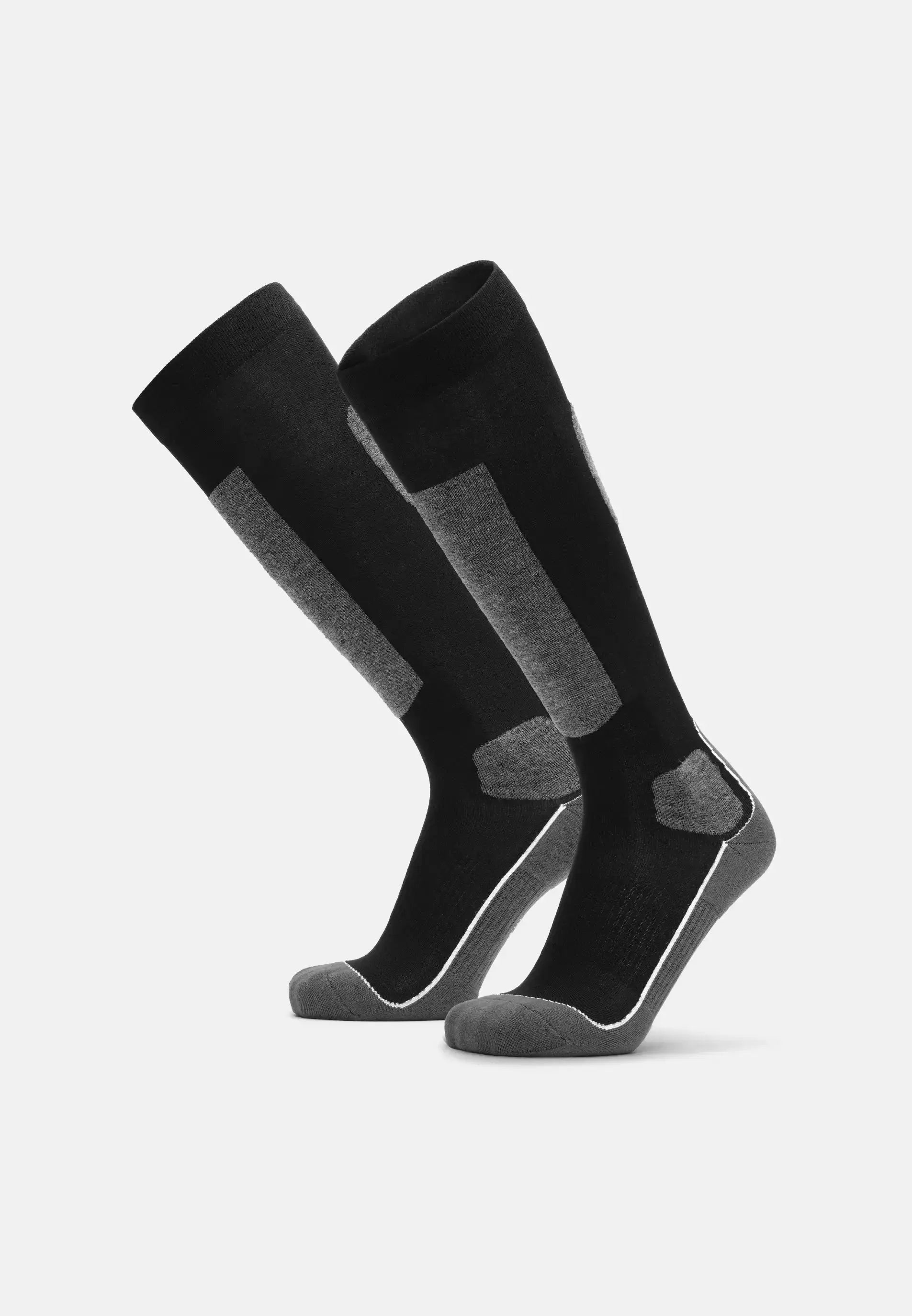
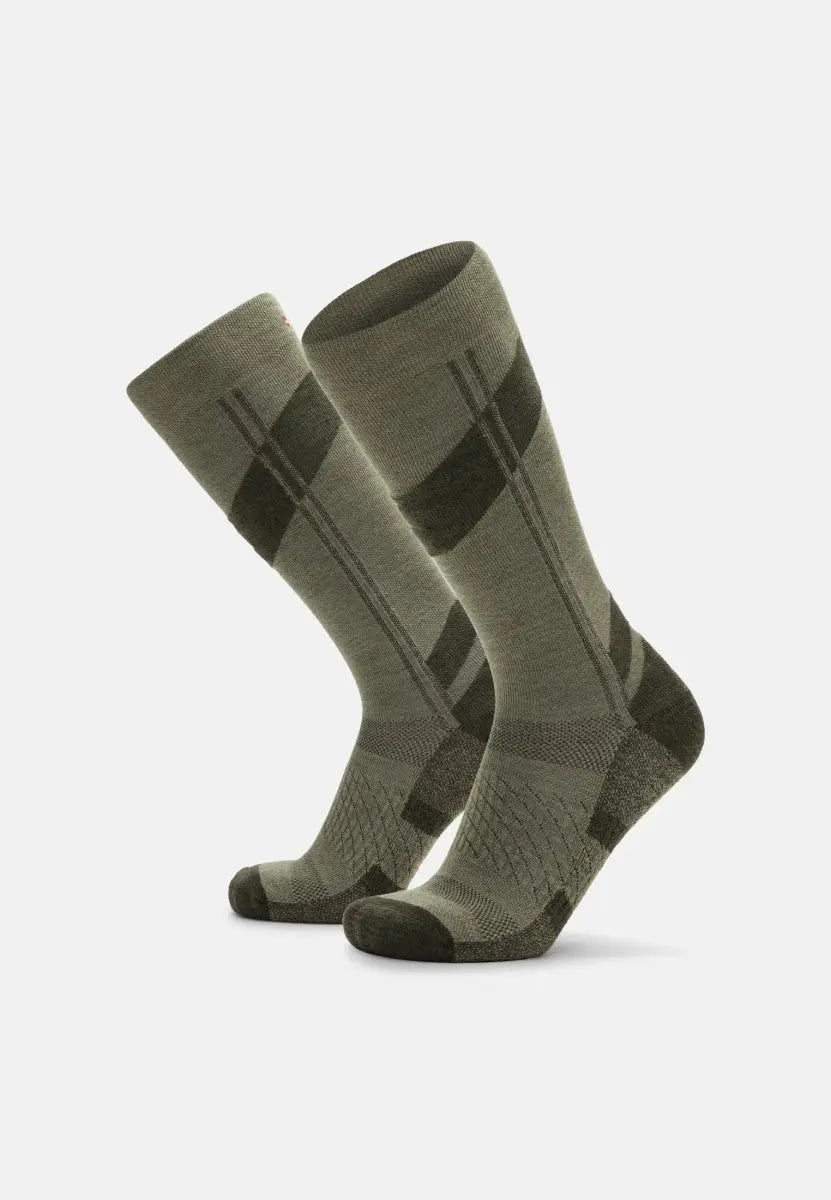
When choosing activity-specific socks, consider both the intensity and duration of use. Hiking socks provide extra protection for long days on varied terrain, while cycling designs offer a precise fit for optimal power transfer. Running socks focus on lightweight stability, and ski socks balance warmth with boot control. For professional settings, dress options incorporate the natural benefits of merino wool into formal wear.
How to extend the life of your wool socks
Simple care practices help maintain merino wool's natural properties. Wash socks inside out at 30°C/86°F using mild detergent, and skip fabric softeners as they can affect the wool's performance. Air dry away from direct heat and sunlight, reshaping while damp. Let socks air between uses to preserve their odor-resistant qualities. Repair small holes promptly to prevent larger tears. Store socks folded rather than balled up to protect elastic fibers, and use cedar blocks rather than chemical treatments for long-term storage. These basic care steps help preserve the wool fibers' integrity for lasting performance.