


Thermal Base Layers for Women, Built for Running, Cycling, Hiking and Training
Cold-weather training is a balancing act. You need warmth at the start, breathability once your effort ramps up, and a fit that stays smooth under your outer layers. That is exactly what our thermal base layers for women are made for, next-to-skin comfort that helps regulate temperature, move sweat away from the body, and keep you focused when conditions change.
From winter runs and cold morning rides to long hikes with wind and elevation shifts, the right base layer often decides whether you cut it short or finish strong.
Why Choose DANISH ENDURANCE Thermal Base Layers for Women
Our base layers are developed for athletes who train regularly and need gear that performs on day one and keeps performing after weeks of wear and washing. The goal is simple, practical warmth, reliable moisture control, and a fit that supports movement.
Moisture Management That Works When You Start Sweating
The hardest part of cold-weather sports is not getting warm, it is staying warm after you sweat. If moisture sits on your skin, you cool down fast when the pace drops, the wind picks up, or you stop at a traffic light.
Our women’s thermal base layers are designed as a true next-to-skin layer:
- Moisture-wicking fabric that pulls sweat away from your skin
- Breathable construction that releases excess heat during high output
- Fast-drying feel to reduce that clammy cold-sweat sensation
For runners, cyclists, and hikers, this is what helps you stay steady through intervals, climbs, and long efforts without constantly adjusting layers.
Lightweight Warmth Without the Bulk
Warmth should not feel restrictive. A good base layer traps a thin layer of warm air close to the body while still letting you move freely. That matters when you are layering under tights, bibs, midlayers, or shells, where bulky fabric can bunch and create pressure points.
DANISH ENDURANCE base layers focus on:
- Warmth-to-weight efficiency for active use
- A streamlined feel under jackets, jerseys, and hiking shells
- Comfort that stays consistent on long sessions
If you often feel overheated early and chilled later, a lighter, more breathable base layer can be more effective than simply going thicker.
Key Features in Our Women’s Thermal Base Layers
Not all thermal underwear is built for endurance sports. Some pieces feel warm standing still, but struggle with sweat, friction, and repeated movement. Our performance-first design focuses on what athletes actually need.
Durable Fabrics for High-Motion Sports
Endurance training is repetitive. The same running motion, the same pedal stroke, the same pack straps rubbing for hours. Durability matters as much as warmth.
Our performance base layers are made to handle:
- Abrasion from backpacks, hydration vests, and outer layers
- Stretch and recovery so the fit stays consistent over time
- Frequent washing without losing shape or comfort
If you train several times per week, this is what makes a base layer last through a full season.
The Right Weight for the Conditions
Choosing the right weight is one of the biggest factors in comfort. Too heavy and you overheat. Too light and you feel exposed when the wind hits or your pace drops.
A practical guide:
- Lightweight: best for high-output sessions and milder cold
- Midweight: ideal for steady winter training and colder starts
- Heavyweight: best for very low output or extreme cold, more common for static use than endurance training
For most endurance athletes, lightweight to midweight is the sweet spot, especially when paired with a windproof shell or adjustable midlayer.
How to Choose a Base Layer for Your Sport
Start with intensity, wind exposure, and how easily you can add or remove layers mid-session.
Base Layers for Cold-Weather Running and Cycling
For winter running, prioritize breathability and a close fit that moves sweat efficiently and avoids rubbing at the underarms, waist, or neckline.
A solid setup:
- Thermal base layer top (lightweight to midweight)
- Wind-resistant outer layer
- Optional midlayer for very cold starts
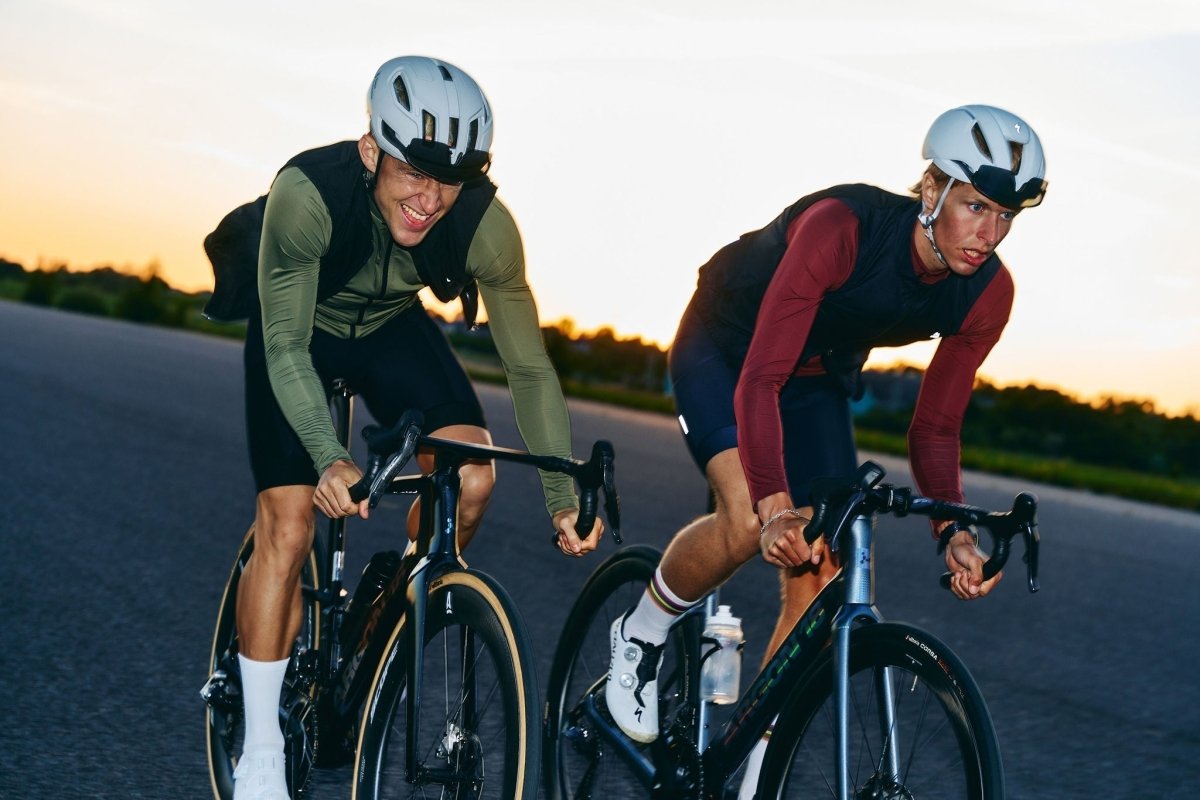
Cycling is different because wind chill is higher and descents can cool you down quickly. A cycling base layer should feel smooth under your jersey or jacket and stay in place in an aggressive riding position.
To complete your cold-weather kit, pair your base layer with performance socks:
- https://danishendurance.com/collections/cycling-socks
- https://danishendurance.com/collections/running-socks
Hiking and Training Layering Tips
Hiking brings constant temperature swings. The best hiking base layers manage moisture on climbs and still feel warm when you slow down.
A practical approach:
- Start slightly cool at the trailhead, you will warm up fast
- Use a breathable base layer as your foundation
- Add a midlayer when you stop or when wind increases
- Use a shell to block wind and precipitation
For gym training or mixed indoor and outdoor sessions, choose a breathable thermal layer that moves well under a hoodie or training jacket without overheating.
For trail comfort and blister prevention, add hiking socks you can trust:
Performance Benefits for Female Athletes
A good base layer should feel almost invisible. No tugging, no bunching, no hot spots. Over time, the benefits are clear, steadier temperature, fewer distractions, and gear that lasts.
Built for Real Training Volume
A durable base layer pays off when it keeps its fit and function after:
- Long runs with repetitive arm swing
- Cold rides with constant torso movement and layering friction
- Multi-day hikes with pack pressure and abrasion
Fit and Comfort for Long Sessions
Comfort is performance. If a base layer irritates your skin or restricts movement, you notice it more the longer you go.
Look for:
- Smooth, low-bulk feel under tights, bibs, and shells
- A fit that follows your movement rather than fighting it
- Comfort that stays consistent across long sessions
DANISH ENDURANCE base layers are available in XS to XXL, with clear conversions to help EU, US, and UK athletes choose a consistent fit.
Shop Women’s Thermal Base Layers by Activity
If you are choosing between options, start with how you train most often:
- Winter running: prioritize moisture-wicking and breathability, choose lightweight to midweight
- Cold-weather cycling: prioritize wind-chill protection through layering, choose a close fit that stays smooth under your kit
- Cold-weather hiking: prioritize versatility for climbs and stops, choose a base layer that manages sweat and retains warmth
- Multi-sport training: prioritize comfort and freedom of movement, choose a breathable layer that does not overheat indoors
Explore our base layers here:
Looking for men’s options or want to compare fits:
FAQ: Thermal Base Layers for Women
What makes thermal base layers essential for women’s endurance sports?
They form the next-to-skin foundation of your layering system. By wicking sweat and supporting breathability, they reduce chilling during pauses and keep you more comfortable during running, cycling, hiking, and training.
How do I choose the right weight of base layer for hiking?
Go lightweight for active hikes with variable temperatures, midweight for steady cold and longer days, and heavyweight mainly for very cold, low-output conditions. Prioritize a fit that allows full stride and arm movement.
Are DANISH ENDURANCE base layers suitable for winter running?
Yes. They are designed for endurance use, with moisture-wicking performance to help prevent chill during sweat-heavy runs and durable construction suited to repeated mileage.
Merino wool vs synthetic for women’s thermal base layers?
Merino is naturally odor-resistant and comfortable for multi-day use. Synthetics typically dry faster and can feel especially effective for high-intensity training. Many athletes choose blends to balance warmth, moisture control, and durability.
How should I care for performance base layers?
Machine wash cold and air dry when possible to maintain elasticity and wicking performance. Avoid fabric softeners, which can reduce moisture management over time.
Do these base layers work under cycling gear?
Yes. A slim, next-to-skin fit layers smoothly under bib tights and cycling jackets, adding warmth without bulk for cold starts and windy rides.
What sizes are available for EU, US and UK markets?
Base layers are available in XS to XXL, with size guidance and conversions to help you choose the right fit across EU, US, and UK sizing.
Can I layer these for multi-sport training?
Yes. Thermal base layers transition well between activities like gym warm-ups, trail runs, and outdoor sessions, maintaining moisture control and comfort as intensity changes.

What makes Alpaca Fiber Socks the right choice for you?
How Compression Shorts Can Elevate Your Performance