

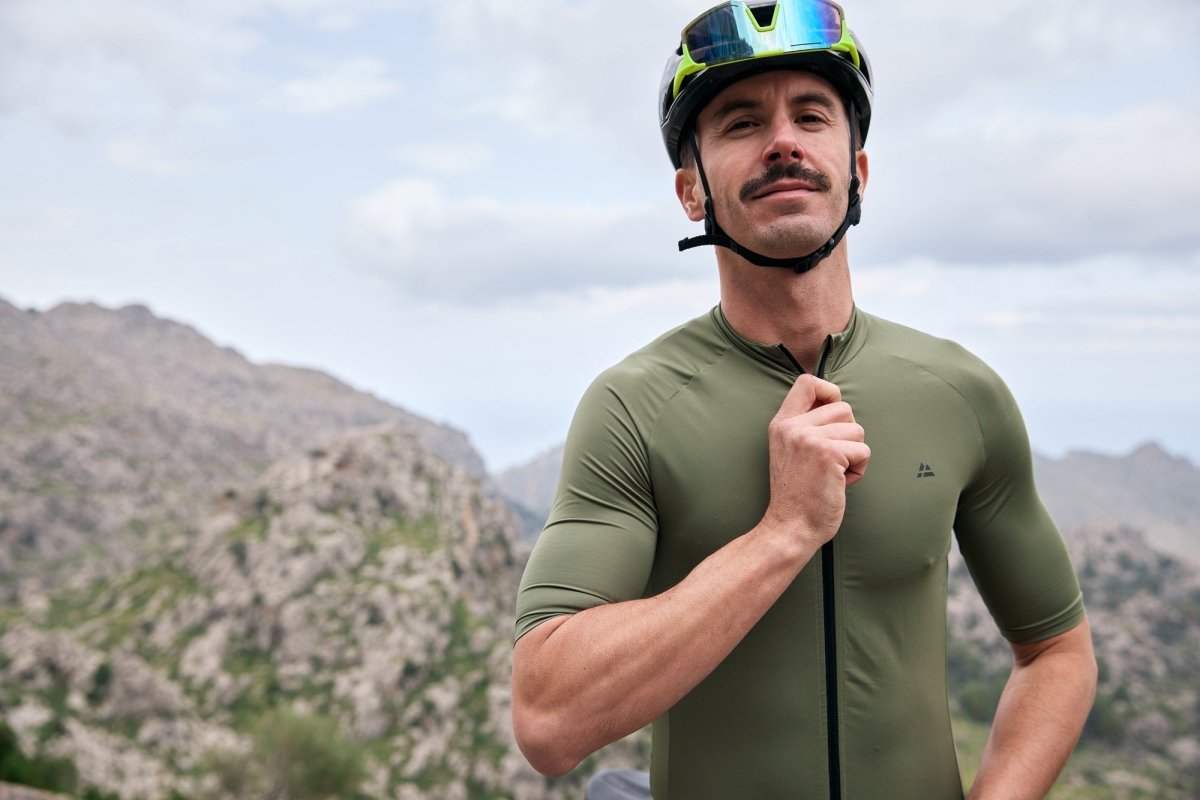
Short or Long Sleeved Cycling Jersey? How to Choose the Right One
Choosing between a short or long sleeved cycling jersey is not just about looks. Sleeve length changes how you handle heat, how comfortable you feel after a few hours, and how smoothly you can deal with a weather shift mid-ride.
A solid rule is to decide based on temperature, ride intensity, wind, and how long you’ll be out, not the calendar. A “summer” day can feel cold once you’re rolling at speed, and a “spring” ride can turn into a sweaty climb in minutes.
Short vs long sleeve cycling jersey: the quick answer
If you ride in warm weather, choose short sleeve
A short sleeve cycling jersey is usually the most comfortable choice in mild to hot conditions, especially if you ride at higher intensity. Less fabric around the arms means better airflow, and it’s easier to cool down on climbs.
Short sleeves also work well with a lightweight base layer when you want sweat control without adding much warmth.
If you need more coverage or ride in cooler conditions, choose long sleeve
A long sleeve cycling jersey is a smart pick when the air is cool, the wind has teeth, or you want extra coverage for long hours in the saddle. It helps take the edge off on descents and early starts, and it’s often easier to fine-tune comfort in mixed conditions with the right layers.
If you’re looking for a dedicated long-sleeve option, see the Pro Cycling Jersey Long Sleeve For Men.
Why riding conditions matter more than season labels
Two rides at the same temperature can feel completely different. A steady endurance pace on flat roads produces less heat than repeated climbs or intervals. Add wind, shade, and speed, and you can end up too cold or too hot fast.
Think in terms of:
- Effort level (easy endurance vs hard training)
- Exposure (open roads, coastal wind, long descents)
- Duration (30 minutes vs 4 hours)
- Changeability (morning chill, midday sun)
What a cycling jersey should do
Regulate temperature
Your jersey should keep you in a usable comfort zone, warm enough to avoid getting chilled, breathable enough to prevent overheating. Sleeve length matters, but fabric and fit matter just as much.
Move sweat away from the body
A moisture-wicking cycling jersey pulls sweat off your skin so it can evaporate. That helps in summer for cooling, and in cooler weather it helps you stay dry so you don’t get cold.
Reduce drag and avoid flapping
A jersey that’s too loose can flap in the wind, waste energy, and start to irritate your skin over time. A performance-focused fit reduces drag and keeps pockets more stable when they’re loaded.
Support comfort on longer rides
On endurance rides, small annoyances grow. Seams that rub, fabric that stays wet, sleeves that creep or bunch up. Choose a jersey that stays put, feels smooth against the skin, and still feels good when you’re tired.
When to choose a short sleeve cycling jersey
Hot weather and summer rides
For cycling jersey for hot weather conditions, short sleeves are the default. They let more air reach your skin and make it easier to cool down once you’re riding at speed.
If you’re building a warm-weather kit, pair a short sleeve jersey with reliable socks like Regular Cycling Socks to keep comfort consistent when temperatures rise.
High-intensity training
Intervals, tempo rides, and fast group rides create a lot of heat. Short sleeves help you shed that heat faster, and they tend to feel less restrictive when you’re pushing hard out of the saddle.
Climbing-heavy routes and hard efforts
Climbs usually mean lower speed and less cooling airflow, plus higher effort and more heat. Short sleeves reduce the risk of overheating, especially if you naturally run warm.
When you want maximum airflow
If ventilation is the priority, a breathable cycling jersey in a short sleeve cut is often the simplest answer. You can always add removable layers if the temperature drops.
For a dedicated option, consider the Pro Cycling Jersey Short Sleeve For Men.
When to choose a long sleeve cycling jersey
Cool weather and shoulder seasons
Spring and autumn often sit in that awkward middle zone, too warm for a winter jacket, too cool for bare arms. A long sleeve jersey bridges the gap, especially with a gilet or windbreaker.
Added sun protection
Long sleeves are not only about warmth. On long rides in strong sun, extra coverage reduces direct exposure and can feel more comfortable over time. That’s why some riders choose long sleeves even when it isn’t cold, especially for endurance days.
Extra coverage for early starts and variable temperatures
Rides that start cool and finish warm are common. Long sleeves keep you comfortable early, and a full-zip jersey lets you vent on climbs or as the day heats up.
When layering is needed
A long sleeve jersey works well as a mid-layer, base layer underneath, wind layer on top. It’s a practical setup for changeable conditions when you want options without hauling bulky gear.
"I bought this after buying a pair of bib shorts from the same brand. At first feel, it's supremely lightweight but wow is it warm. Washes easily, seems to wick well, and doesn't smell at the end of the longest rides. Strongly recommended."
— "Steve C."
Short sleeve vs long sleeve by riding conditions
Summer
- Short sleeve is typically best for heat management and airflow.
- Choose long sleeve only if you specifically want extra coverage and the fabric is very lightweight and breathable.
Spring and autumn
- Long sleeve is often the easiest “one-piece” solution.
- Short sleeve + arm warmers can be more flexible if temperatures swing a lot.
Windy conditions
Wind can make mild temperatures feel cold quickly, especially on descents. If your routes are exposed, long sleeves reduce chill and can feel more stable at speed. If you prefer short sleeves, plan a wind layer you can add when needed.
Long-distance rides
For endurance rides, comfort and temperature stability matter more than saving a few grams of fabric.
- If the day will warm up significantly: short sleeve + flexible layers
- If conditions are consistently cool or you’ll be descending a lot: long sleeve can be the calmer choice
Commuting and mixed-weather use
Commuters often ride in the morning and evening when it’s cooler, and they can’t always pick perfect weather windows. A long sleeve jersey, or short sleeve plus packable layers, tends to be more practical for “ride no matter what” routines.
How fabric and fit affect performance
Breathability and moisture-wicking materials
Sleeve length won’t help much if the fabric traps sweat. Look for materials that are:
- Quick-drying
- Sweat-wicking
- Comfortable against skin when damp
This matters for both a cycling jersey for hot weather and a cycling jersey for cold weather, because wet fabric in cool air can chill you fast.
Fit: race fit vs comfort fit
- Race fit: closer to the body, less flapping, often preferred for road cycling and faster rides.
- Comfort fit: a bit more relaxed, can feel better for casual riding or if you prefer more room.
The best choice is the one that stays in place without restricting breathing or shoulder movement.
Stretch and freedom of movement
A good jersey should move with you in the riding position, no tight pull across the chest, no sleeves cutting into the biceps, and no fabric bunching at the elbows.
Durability for regular training
Endurance riders wash kit often. Look for jerseys that hold their shape, keep a good feel after repeated washes, and maintain reliable zipper and pocket performance. Durability is a performance feature when you train week after week.
Layering tips for cyclists
Short sleeve jersey + base layer
A base layer improves comfort by managing sweat and reducing that sticky feeling on warm days. In cooler conditions, it adds a thin layer of warmth without changing your outer jersey.
For colder rides, a merino option like the Merino Wool Base Layer Shirt Men can be a strong foundation for a layering system.
Long sleeve jersey + gilet or jacket
A long sleeve jersey plus a wind layer is a practical setup for variable weather. You get arm coverage, and you can regulate core temperature by adding or removing the outer layer.
If you need a packable outer option, consider a wind layer like the Mens Windbreaker Jacket.
Arm warmers as a flexible alternative
Arm warmers are one of the most useful tools for shoulder seasons. They let you start warm and remove coverage as the day heats up, without swapping jerseys.
How to adapt for changing temperatures
Use this simple approach:
- Start slightly cool (you’ll warm up after 10–15 minutes)
- Prioritize wind protection for descents
- Vent early (zip down before you overheat)
- Bring one removable layer for rides longer than an hour in variable conditions
What to look for when buying a cycling jersey
Temperature range
Instead of “summer” or “winter,” think: What temperatures will I actually ride in most? Choose sleeve length and layering options that match your typical conditions.
Fabric weight
Heavier fabrics can feel warmer but may dry slower. Lighter fabrics breathe better but may require layering when it’s cool or windy.
Pocket layout
For endurance rides, pockets matter. Look for stable rear pockets that don’t sag when loaded with food, phone, and tools.
Zip length
A longer zip gives you better ventilation control. This is especially useful if you’re deciding between short and long sleeves and want more temperature adjustment on the fly.
Reflective details
If you ride early mornings, evenings, or commute, reflective elements support visibility in low light.
Sun protection
If you ride long hours outdoors, coverage becomes part of comfort. Long sleeves can help here, but breathability still needs to be right for your effort level.
Easy care and durability
Your jersey should handle frequent washing without losing fit or feel. For regular training, easy care is a real advantage, not a luxury.
Which option is best for Danish Endurance customers?
For riders prioritizing breathability
If you ride hard, sweat a lot, or spend most of your time in mild-to-hot conditions, a short sleeve cycling jersey is typically the best starting point. You can extend its range with a base layer or wind layer when needed.
For riders prioritizing coverage and versatility
If your rides often start cool, include long descents, or happen in shoulder seasons, a long sleeve cycling jersey is a practical choice. It can reduce the need for constant layer changes while still working well as part of a layering system.
For endurance-focused training and long rides
Endurance riders usually benefit from a setup that balances comfort, airflow, and adaptability:
- Short sleeve for warm days + smart layering
- Long sleeve for consistent cool conditions and long exposure
- Prioritize fabric performance and fit as much as sleeve length
FAQ
Should I buy a short or long sleeved cycling jersey?
Choose a short sleeve jersey for warm weather and high ventilation, and a long sleeve jersey for cooler conditions, more coverage, or easier layering.
Are long sleeve cycling jerseys too hot for summer?
Often yes, unless the fabric is very lightweight and breathable and you specifically want extra coverage for sun protection.
What temperature is best for a short sleeve cycling jersey?
Short sleeves are generally best in mild to hot conditions, especially when you’re riding at higher intensity or want maximum airflow.
When should I wear a long sleeve cycling jersey?
Wear one in cool weather, windy conditions, early morning rides, or when you want more arm coverage for comfort and protection.
Can I use a short sleeve jersey in spring and autumn?
Yes. Combine it with arm warmers, a base layer, or a wind layer to stay flexible as temperatures change.
Is a long sleeve cycling jersey better for endurance rides?
It can be, especially in cooler or mixed conditions, where extra coverage helps you stay comfortable over several hours.
What fabric should I look for in a cycling jersey?
Look for breathable, moisture-wicking, quick-drying materials that support temperature regulation and don’t feel heavy when you sweat.
Is sleeve length more important than fit?
No. Fit and fabric are just as important as sleeve length for comfort, performance, and effective temperature control.

How to Prevent Blisters in Summer for Runners, Hikers, and Cyclists (Hot Spot & Sock Tips)
Compression Socks vs Compression Sleeves: How to Choose the Right Compression Gear