


Alpaca Fiber Socks: Performance Benefits for Runners, Cyclists, and Hikers
If you train for long hours, your socks are not an accessory, they are part of your performance system. The right pair helps reduce hotspots, manage sweat, and keep your feet comfortable when conditions shift mid-session. That is why alpaca fiber socks have become a serious option for endurance athletes who want natural comfort without giving up durability.
Below is a practical breakdown of alpaca fiber benefits, how alpaca socks compare to merino and synthetics, and how to get the most out of them for running, cycling, hiking, and training.
Why Choose Alpaca Fiber for Endurance Socks
Alpaca fiber is built for temperature swings and demanding environments. For athletes, that often means less foot stress, fewer friction issues, and more consistent comfort over long distances.
Hollow Fiber Structure for Warmth Without Bulk
Alpaca fibers are hollow or semi-hollow, which helps trap warm air efficiently. In real terms, you get noticeable warmth without needing a thick sock. That is useful when you want insulation but still need a precise fit in running shoes, cycling shoes, or hiking boots.
Key performance advantages:
- Strong warmth-to-weight thanks to air-trapping fibers
- Warmth without extra bulk, so your shoe fit stays secure
- Reliable comfort for cold wind, early starts, and exposed terrain
For cold-weather training, warm alpaca socks can help keep toes from going numb while still allowing natural movement and good ground feel.
Moisture Handling That Helps Reduce Hotspots
Blisters are rarely caused by distance alone. They usually come from friction plus moisture plus heat. Alpaca helps on the moisture side by absorbing moisture without feeling soaked against the skin. That matters when you are hours into a run or hike and your feet are still sweating inside a shoe.
Why this is useful for endurance:
- Helps keep skin drier, which can reduce friction and hotspots
- Supports comfort across long efforts and changing intensities
- Often feels less clammy than materials that hold moisture on the surface
If you want moisture wicking socks that do not feel overly synthetic, performance alpaca socks sit in a strong middle ground, natural feel with athlete-ready function.
Alpaca vs. Merino Wool and Synthetics: Key Comparisons
Most athletes compare alpaca to merino first. Merino is a proven performer, but alpaca brings slightly different strengths, especially if you care about warmth-to-weight, softness, and long-term wear.
Warmer, Softer, and Built to Last
Here is a practical comparison of merino vs alpaca socks, plus cotton and synthetics, based on what endurance athletes typically care about.
| Feature | Alpaca Fiber Socks | Merino Wool Socks | Synthetic Socks | Cotton Socks |
|---|---|---|---|---|
| Insulation (warmth-to-weight) | Excellent (hollow fiber traps air) | Very good | Varies | Poor when wet |
| Moisture handling | Absorbs without feeling damp | Good | Often very good | Holds moisture |
| Softness / next-to-skin feel | Very soft, smooth fiber | Can feel itchy for some | Smooth | Soft but gets heavy/wet |
| Odor resistance | Naturally odor-resistant | Good | Varies | Low |
| Durability (wear resistance) | Strong wear resistance | Moderate | Varies by knit | Low |
| Best use | All-season endurance, cold-to-variable conditions | Cool-to-cold endurance | High-sweat, fast-dry | Casual only |
What this means in practice:
- If you want warmth without bulk, alpaca wool socks often feel more efficient than merino.
- If you are sensitive to itch, alpaca is typically easier on skin because it is lanolin-free and smooth.
- If you are tough on gear, alpaca’s fiber strength helps resist thinning and holes, useful for high-mileage blocks.
Real-World Performance in Running, Cycling, and Hiking
The best sock is not the one that feels great for 10 minutes. It is the one that still performs after an hour of sweat, friction, and shifting temperatures.
Thermoregulation for Variable Conditions
A run can start cold and finish warm. A hike can move from shaded forest to exposed ridgelines. A long ride can mean sweaty climbs and chilly descents.
Alpaca fiber is naturally thermoregulating:
- Warm when it is cold
- Breathable when it is warm
- Less likely to feel wet and cold after sweat buildup
This is especially useful for:
- Cold-weather running when you do not want thick winter socks
- Shoulder-season hikes with big temperature swings
- Long rides where airflow changes with speed and terrain
Durability for High-Mileage Training
Endurance athletes need socks that do not quit. Alpaca’s wear resistance helps socks hold up against repeated friction.
Where durability matters most:
- Forefoot and heel wear from running gait patterns
- Pressure points in cycling shoes, especially indoors
- Boot friction during steep descents
If you have had socks that feel great at first but quickly thin out, durable alpaca socks are worth considering for a small rotation you rely on week after week.
Practical Tips for Athletes Wearing Alpaca Socks
Alpaca performs best when the rest of your setup supports it. Shoe fit, sock height, and layering all affect blister risk and comfort.
Pairing with Endurance Gear
For running
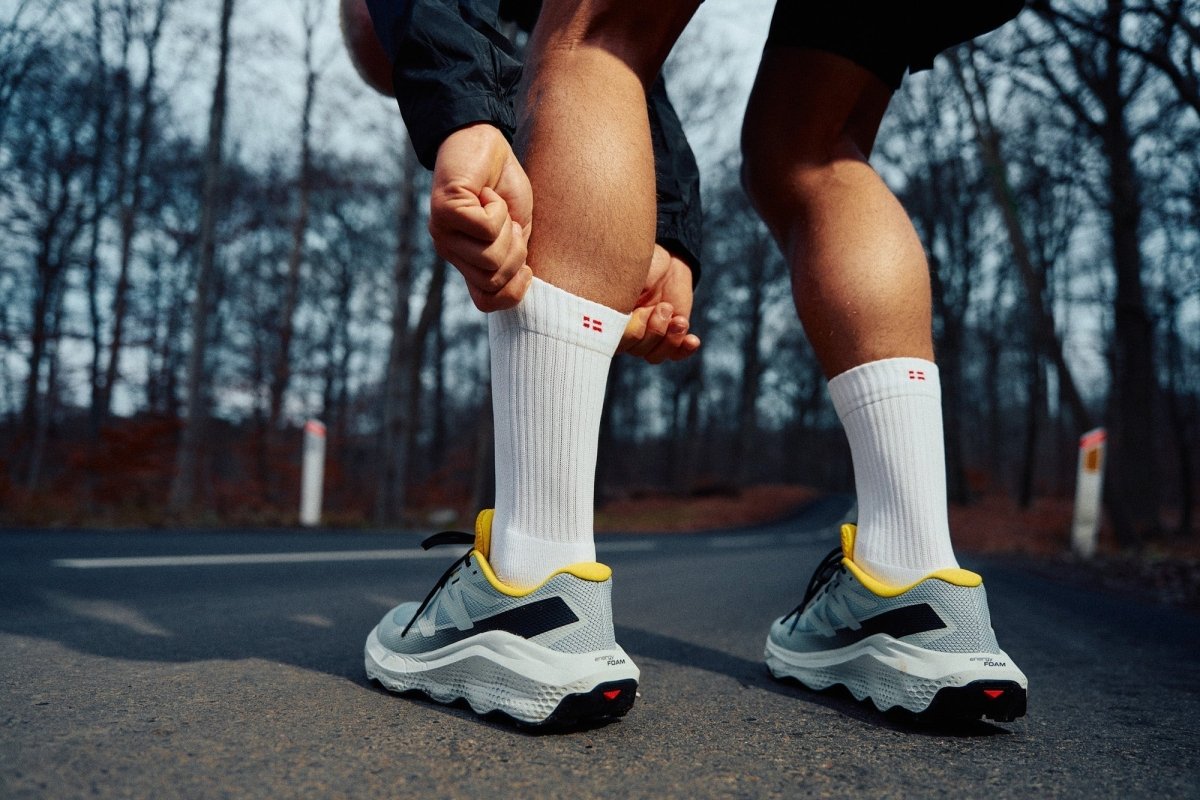
- Prioritize a snug fit, no bunching
- Match thickness to shoe volume, warmth should not compromise fit
- Compare with Danish Endurance running socks: https://danishendurance.com/collections/running-socks
For hiking
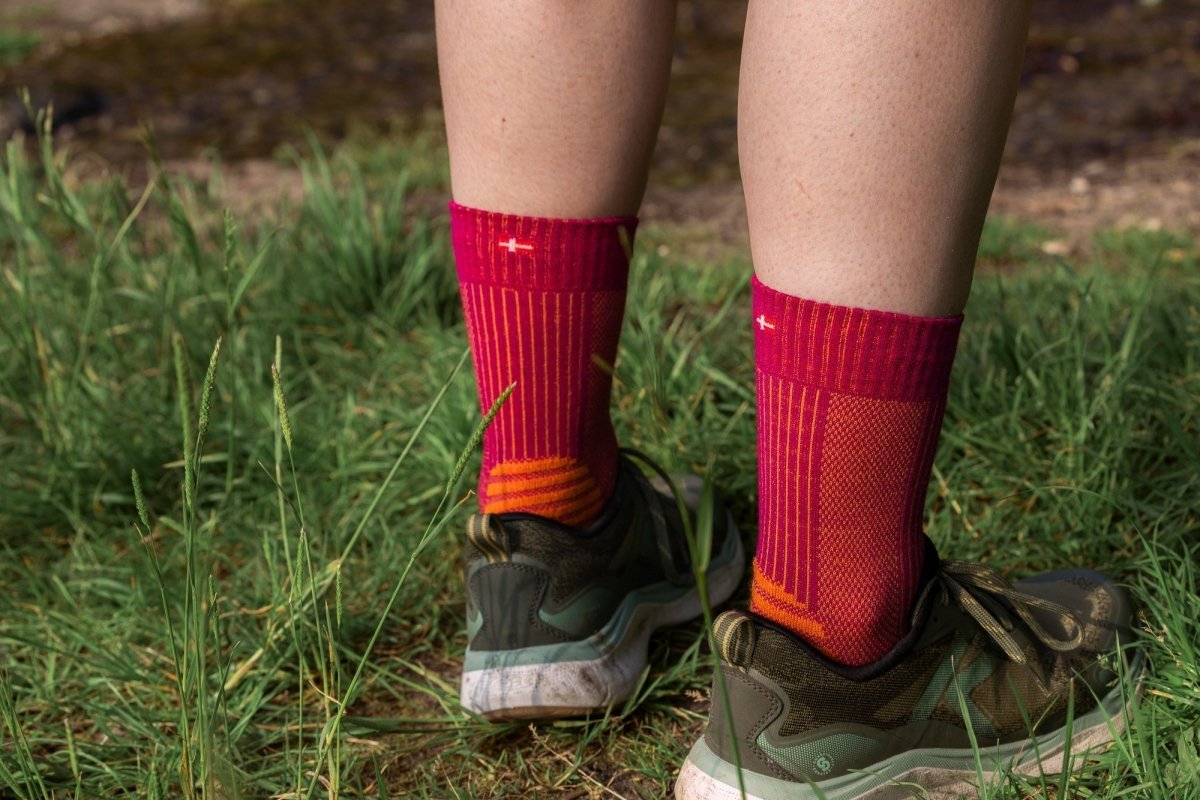
- Dial in boot fit, long descents increase toe friction
- In damp conditions, alpaca’s moisture handling can feel more comfortable over time
- Explore hiking socks: https://danishendurance.com/collections/hiking-socks
For cycling
- Go for a secure, low-bulk feel to avoid pressure points
- Moisture management matters on climbs and indoor rides
- Cycling essentials: https://danishendurance.com/collections/cycling
For recovery and heavy training weeks
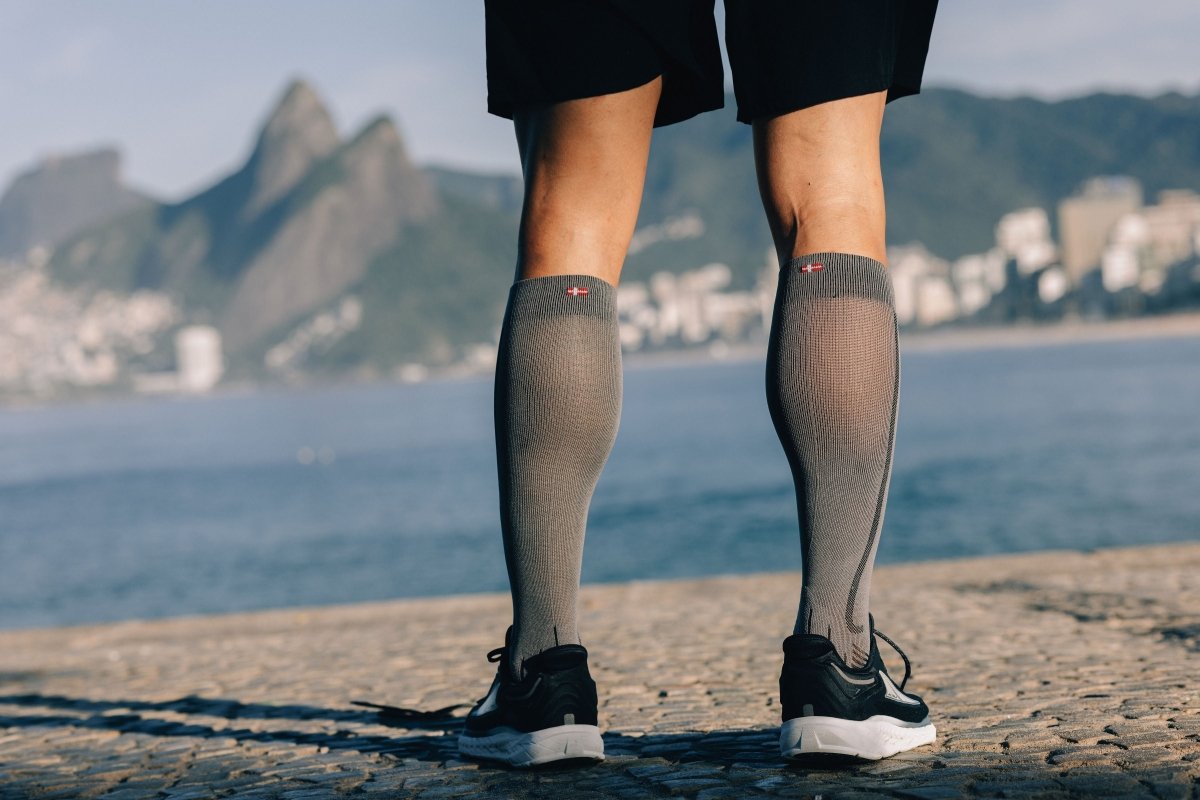
- Warm, comfortable socks paired with compression can support your recovery routine
- Compression socks: https://danishendurance.com/collections/compression-socks
For cold-weather layering
- Socks help, but base layers stabilize comfort across the whole session
- Base layers: https://danishendurance.com/collections/base-layers
Care for Long-Lasting Performance
Treat alpaca like performance gear. Heat and aggressive washing shorten its lifespan.
Care tips:
- Machine wash cold on a gentle cycle
- Use mild detergent, avoid fabric softeners
- Air dry to protect elasticity and fiber structure
- Store dry, do not leave damp socks in a gym bag
Why Danish Endurance Alpaca Fiber Socks Deliver Results
Danish Endurance designs socks for athletes who train consistently and care about comfort at kilometer 2 and kilometer 22. The focus is practical performance, secure fit, reliable materials, and durability that holds up through real training cycles.
What you can expect from Danish Endurance alpaca fiber socks:
- Comfort that stays consistent during long sessions
- Natural thermoregulation for changing conditions
- Strong wear resistance for high-mileage use
- Performance-first design shaped by endurance sport needs
If you are building a sock setup for year-round training, alpaca is a smart addition when you want warmth, moisture control, and comfort without bulky winter weight.
FAQ: Alpaca Fiber Socks
Are alpaca fiber socks warmer than merino wool?
Alpaca is typically warmer for its weight, thanks to its hollow fiber structure that traps air efficiently.
Do alpaca socks prevent blisters during running?
They can help by managing moisture and reducing that damp, high-friction environment where hotspots often start.
Are alpaca fiber socks good for hiking in wet conditions?
They are a strong option for damp conditions because they handle moisture well and stay comfortable even when conditions are not perfect.
How durable are alpaca socks for cycling?
They are a good choice for cycling because the fiber holds up well against pressure and repeated friction in tight shoes.
Are alpaca socks breathable for training?
Yes. Alpaca is naturally thermoregulating, so it helps release excess heat when you warm up while still insulating when it cools down.
Can alpaca socks help with foot odor?
Yes. Alpaca is naturally odor-resistant and manages moisture well, which helps socks stay fresher during long wear.
Are alpaca fiber socks hypoallergenic?
Often, yes. Alpaca is lanolin-free and usually feels softer and less irritating than some wool fibers.
How do I care for alpaca socks to maximize durability?
Wash cold on a gentle cycle and air dry. Avoid high heat, which can damage fibers and reduce long-term performance.


Do Socks Even Matter When Cycling?
The Perfect Thermal Base Layer For Ladies