

Quick Answer
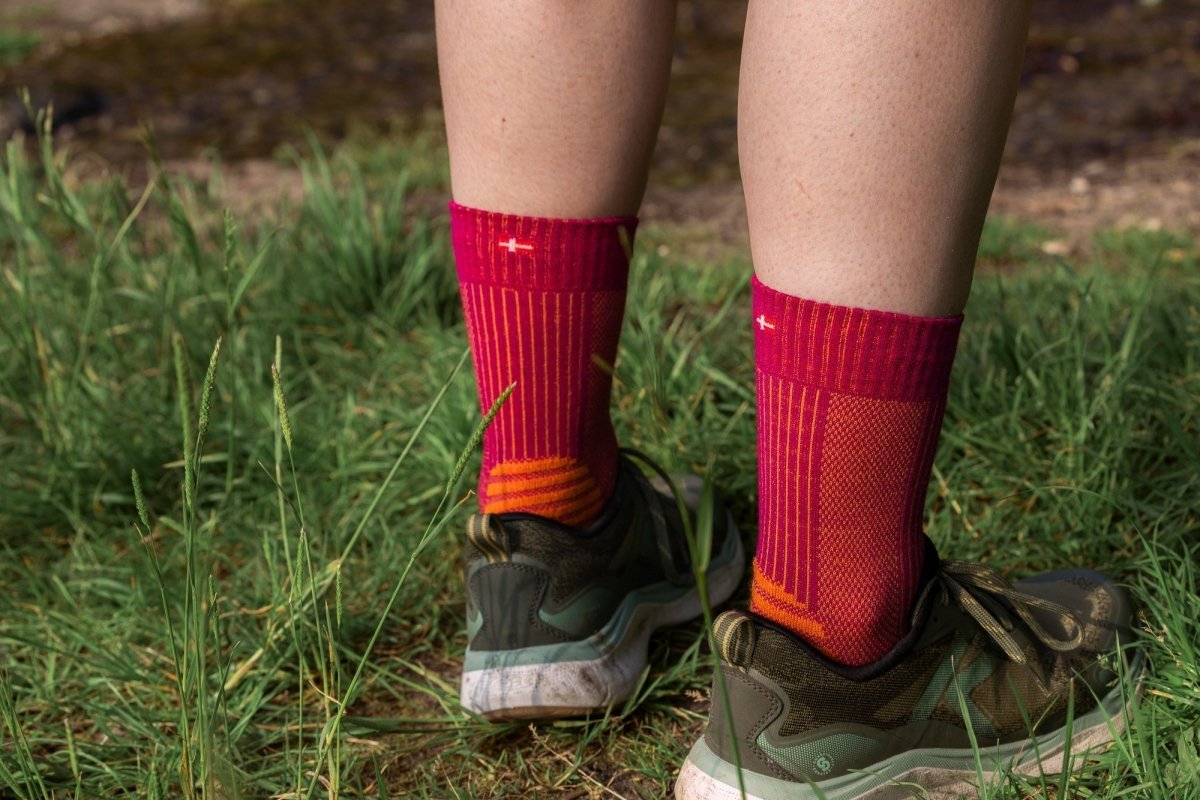
The best hiking socks for warm weather are lightweight, breathable, moisture-wicking socks made from merino wool or fast-drying synthetic blends. They should fit snugly to reduce friction, use low-profile seams to prevent hotspots, and include light cushioning only where you need impact protection. Skip cotton, it holds sweat and can raise blister risk. Choose ankle height for airy trails, and crew height for brush, dust, and boot protection.
Key Takeaways
- Warm-weather hiking socks should focus on breathability and moisture-wicking to limit overheating and friction-related blisters.
- Cotton holds moisture and dries slowly, which increases blister risk on the trail.
- Lightweight merino wool can work well in the heat because it manages moisture and helps regulate temperature.
- Thin socks are usually the best pick in summer, but targeted light cushioning can add comfort without trapping heat.
- Sock height should match terrain and footwear, with ankle for ventilation and crew for protection from debris and rubbing.
What makes a hiking sock good for warm weather?
Hot-weather hiking is tough on feet. Sweat builds up, skin softens, and friction ramps up fast. The right socks for summer hiking are built to keep your feet cool, dry, and stable inside the shoe, so you can stay moving without hotspots.
Breathability
Breathable hiking socks let heat escape and support airflow through your footwear. Look for socks with mesh panels over the top of the foot and a knit that feels light, not dense or “puffy.”
Breathability matters even more in boots, where ventilation is limited. If your feet feel like they’re “cooking,” the sock is often too thick for what your shoes can realistically breathe.
Moisture-wicking performance
Moisture-wicking hiking socks pull sweat away from your skin so it can evaporate. That helps prevent the damp, slippery feel that often turns into rubbing.
Friction plus moisture is a common blister recipe. Medical guidance on blisters highlights how rubbing can damage skin, especially when conditions increase irritation and breakdown (NHS – Blisters).
Fit and friction control
Material matters, but fit does the heavy lifting. A sock that slides, bunches, or wrinkles creates pressure points quickly, especially on descents.
Prioritize:
- A secure heel pocket (less movement)
- A supportive arch band (less drift)
- Low-friction yarns and smooth construction
Blister research often looks at the interaction of friction, moisture, and skin stress in footwear systems (PubMed: hiking socks blister prevention).
Sock thickness and cushioning
In warm conditions, thickness is a balancing act:
- More cushion can reduce impact and shoe pressure.
- Too much cushion can trap heat and hold moisture.
For most hikers, lightweight hiking socks with targeted cushioning (heel/toe) hit the sweet spot, comfort where it counts without turning the sock into insulation.
Best sock materials for hot-weather hiking
The best hiking socks for hot weather usually come down to merino wool vs synthetic vs blends. The right choice depends on how much you sweat, the climate you hike in, and how often you can swap socks.
Merino wool
Merino wool hiking socks aren’t automatically “hot.” In lightweight knits, merino can feel great in summer because it manages moisture and helps regulate temperature as conditions change.
Merino is also a solid pick if odor is a concern on multi-day trips. Research on wool performance often discusses thermoregulation and moisture behavior in clothing systems (PubMed: merino wool moisture management footwear).
If you want a warm-weather-focused merino option, go for a lighter build like Merino Hiking Socks Light for breathability without losing that merino comfort.
Synthetic fibers
Synthetic hiking socks (often polyester, polyamide/nylon, elastane) are popular for summer because they:
- Dry fast
- Handle repeated washing well
- Often feel slicker (less friction) when properly constructed
If you sweat a lot, a synthetic blend can be the most dependable option for quick-dry performance, especially in humid weather where evaporation slows down.
Why cotton should be avoided
Cotton absorbs sweat and dries slowly. In hot weather, that often means a damp sock that stays damp, which raises friction and softens skin, increasing blister risk.
If you’re prone to blisters, cutting cotton is one of the simplest upgrades you can make. Blister prevention advice consistently points to reducing friction and keeping skin as dry as practical (NHS Inform – Blisters).
Blended fabrics for balance
Many of the best hiking socks for warm weather use blends to combine:
- Merino for comfort and odor resistance
- Synthetics for durability and faster drying
- Elastane for a stable, performance fit
Blends are often the most reliable “set it and forget it” option for warm-weather trail socks because they handle a wider range of conditions.
Thin vs cushioned hiking socks: what works best in heat?
When thin socks are the better choice
Thin hiking socks are usually best for summer hiking when:
- You’re in trail runners or breathable hiking shoes
- The hike is steady-paced and not overly technical
- You want maximum ventilation and minimal bulk
Thin socks also help keep your shoe fit precise. If your shoes already feel snug, thick socks can crowd your toes and increase rubbing.
When light cushioning still helps
Light cushioning can still make sense in the heat if it’s strategic, not bulky. It helps when:
- You’re carrying a heavier pack
- You’re hiking rocky terrain with repeated impact
- Your footwear is stiffer (boots) and you want pressure relief
A smart setup is a lightweight sock with cushioned heel/toe zones, enough to take the edge off without holding heat across the whole foot. For a more protective feel, Premium Hiking Socks can be a good match on rougher trails, even in warmer months, if your footwear runs stiff.
What to avoid in summer conditions
In hot weather, avoid:
- Very thick, full-terry socks unless conditions demand it
- Loose cuffs that let the sock slide down
- Heavy seams over toes (a common hotspot area)
- “Everyday” socks that aren’t built for friction and moisture
Best sock height for warm-weather hikes
Sock height affects temperature, debris protection, and rubbing at the collar of your shoe or boot.
No-show or ankle socks
No-show or ankle socks can work well for summer hiking in trail shoes, especially on maintained paths. They maximize ventilation and feel less restrictive.
If you hike in low-cut footwear and want minimal coverage, No Show Socks can be a good option for easy trails, just make sure your shoe collar doesn’t rub your ankle.
Crew socks for more protection
Crew hiking socks are often the safer all-round pick in warm weather when:
- Trails are dusty or sandy (less grit inside the shoe)
- You’re walking through brush
- You’re in mid or high boots that can rub the ankle/shin
Crew height can also reduce sun exposure and minor scrapes without adding much heat if the sock stays lightweight.
Matching sock height to terrain and footwear
Use this quick match:
- Trail runners + groomed trails: no-show/ankle
- Hiking shoes + mixed terrain: ankle or crew
- Boots + rocky/brushy trails: crew (or higher if needed)
How to prevent blisters and overheating on hot hikes
Blisters and overheating are usually a system issue: sock + shoe + sweat + pace.
Choose the right shoe-sock combination
If your socks breathe but your shoes don’t, heat will still build. For warm-weather hikes, pair moisture-wicking hiking socks with well-ventilated footwear and enough toe room to handle swelling without extra rubbing.
General heat guidance also emphasizes managing heat exposure and staying cool during activity, especially when you’re hiking in direct sun (CDC – Heat Stress).
Keep feet dry before the hike
Small habit, big payoff:
- Start with dry feet (don’t put socks on right after a shower)
- Use foot powder if you know you sweat heavily
- Tape known hotspots before they become blisters
Change socks if needed on long hikes
On longer hikes, especially in humidity, carry a spare pair. Swapping socks mid-hike cuts moisture buildup and brings back that “dry fit” feel.
Quick-dry hiking socks make this easier because you can rinse and air-dry them faster at camp or during breaks.
Use fit and seam design to reduce friction
Look for:
- Smooth toe construction (less rubbing)
- Stable arch support (less sock movement)
- A heel shape that stays locked in place
If you’re highly blister-prone or doing fast summer miles, a low-friction design like the Anti Friction Race Sock can also work well for trail walks in heat, especially in low-cut shoes.
Which socks are best for different warm-weather hiking scenarios?
Short day hikes
For 1–3 hour hikes, prioritize comfort and ventilation:
- Lightweight, breathable hiking socks
- Ankle height if the trail is clean and your shoes don’t rub
Long hikes in dry heat
Dry heat can evaporate sweat quickly, but friction still builds over distance:
- Lightweight merino or synthetic blends
- Light cushioning at heel/toe for long descents
- Consider carrying a spare pair for a mid-hike change
Humid weather hikes
Humidity makes sweat harder to evaporate, so moisture management becomes the priority:
- Synthetic blends that dry fast
- Socks that don’t feel “spongy” when wet
- A snug fit to prevent sliding on damp skin
Fast hikes or trail walks
If you hike at a running-like pace, your feet heat up faster:
- Thin hiking socks or performance socks with strong ventilation
- Low bulk to keep your shoe fit precise
- Secure arch/heel fit to prevent movement
What to look for when buying warm-weather hiking socks
Fabric composition
Check the label and choose based on your needs:
- More merino: comfort and odor resistance
- More synthetics: faster drying and durability
- A touch of elastane: better fit retention
Cushioning zones
Targeted cushioning (heel/toe) is often enough for summer. Full cushioning can be useful, but only if your footwear runs harsh and you’re not overheating.
Breathable mesh panels
Mesh across the instep and top of foot helps dump heat. It’s one of the easiest features to notice on hot days.
Seam placement
Toe seams and bulky stitching are common blister triggers. Low-profile seams reduce pressure and rubbing, especially on long descents.
Durability and wash performance
Warm-weather hiking usually means more sweat and more washing. Look for socks that keep their shape, don’t thin out quickly, and hold their fit after repeated cycles.
Recommended sock features for Danish Endurance hikers
DANISH ENDURANCE socks are built for practical performance: comfort over distance, reliable fit, and durable construction you can count on hike after hike.
Moisture control
For hiking socks for sweaty feet, prioritize moisture-wicking yarns and ventilation zones. That combo helps reduce damp friction, which is often where hotspots start.
Lightweight comfort
In summer, less bulk usually works better. A lightweight sock can still feel supportive when the fit is dialed in and cushioning sits where it matters.
Durable construction
Trail use is abrasive, especially around the heel and forefoot. Durable fibers and reinforced zones help socks last longer and feel consistent across miles.
Performance fit for active use
A stable heel pocket, supportive arch, and smooth toe construction help keep the sock from shifting. In heat, even small movement can turn into blisters over time.
If you want a merino-led option for warm conditions, start with Merino Wool Hiking Socks or the lighter-weight Merino Hiking Socks Light, depending on how much cushioning and warmth you prefer.
"I wore these socks during a recent completion of the West Highland Way and they were great - no problems with blisters and socks still felt fresh after 19 miles that day. No smelly feet either."
— John F.
FAQ
What socks are best for hiking in warm weather?
Lightweight, breathable socks made from merino wool or synthetic blends are usually best because they wick moisture and help prevent overheating.
Are merino wool socks good for hot weather hiking?
Yes. Lightweight merino wool can work very well in warm weather because it helps regulate temperature, manages moisture, and resists odor.
Are cotton socks bad for hiking?
Yes. Cotton absorbs sweat and dries slowly, which can make feet feel hotter and increase blister risk.
Should hiking socks be thin or thick in summer?
Usually thin or lightweight socks are better in summer, but a small amount of cushioning can still help if the sock remains breathable.
What sock height is best for warm-weather hiking?
Ankle or crew height can both work. Choose based on terrain, shoe type, and how much protection you want from debris and friction.
How do I stop my feet from sweating on hikes?
Choose moisture-wicking socks, wear well-ventilated footwear, and avoid cotton. Keeping feet dry before the hike also helps.
Do hiking socks help prevent blisters?
Yes. Proper hiking socks reduce friction, wick moisture, and improve fit, which helps lower blister risk.
What is the best material for hot weather hiking socks?
Merino wool and synthetic blends are usually the best choices. The right option depends on whether you prioritize odor resistance, fast drying, or a softer feel.

Compression Socks vs Compression Sleeves: How to Choose the Right Compression Gear
Merino Wool Base Layer Guide: Choose the Right GSM for Running, Cycling & Hiking