


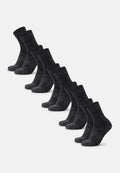
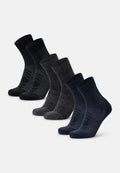
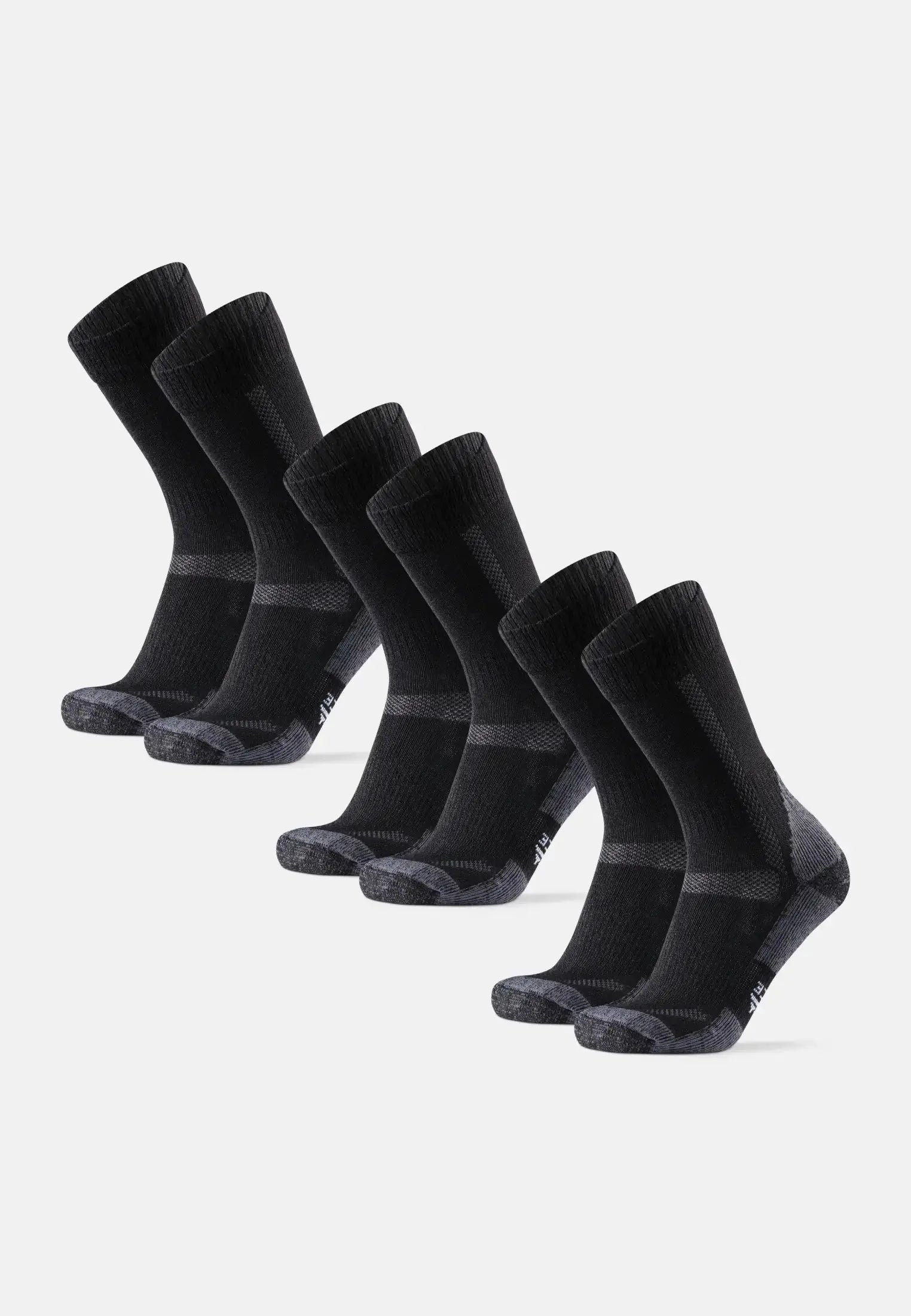

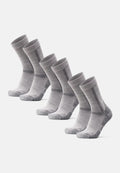

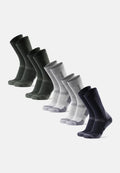


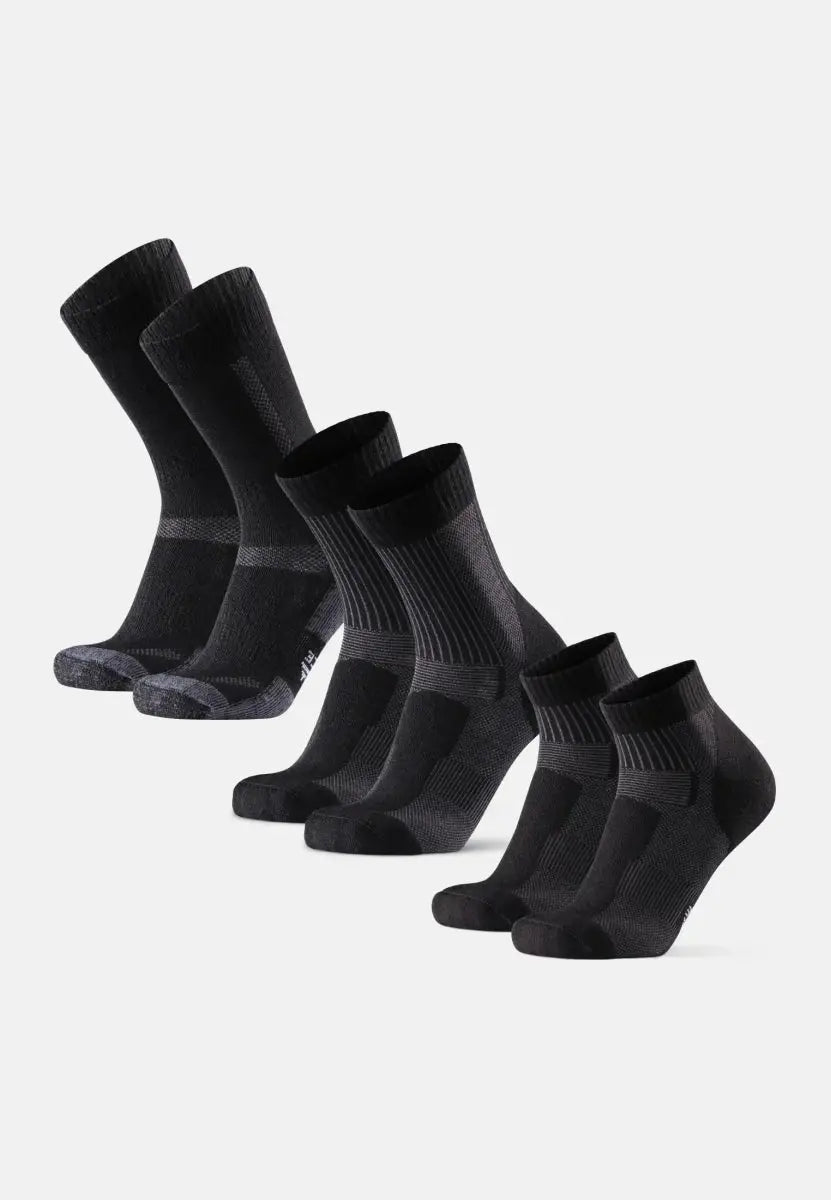
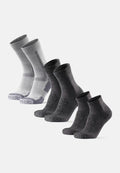

Socks for every occasion


Find the right hiking socks for your adventures
Choosing the right hiking socks can truly change your outdoor experience. When you are out on the trails, your feet endure significant stress, and proper sock selection directly impacts comfort and endurance. Quality hiking socks provide essential foot support and blister prevention, whether you are on a short day hike or tackling multi-day trail challenges.
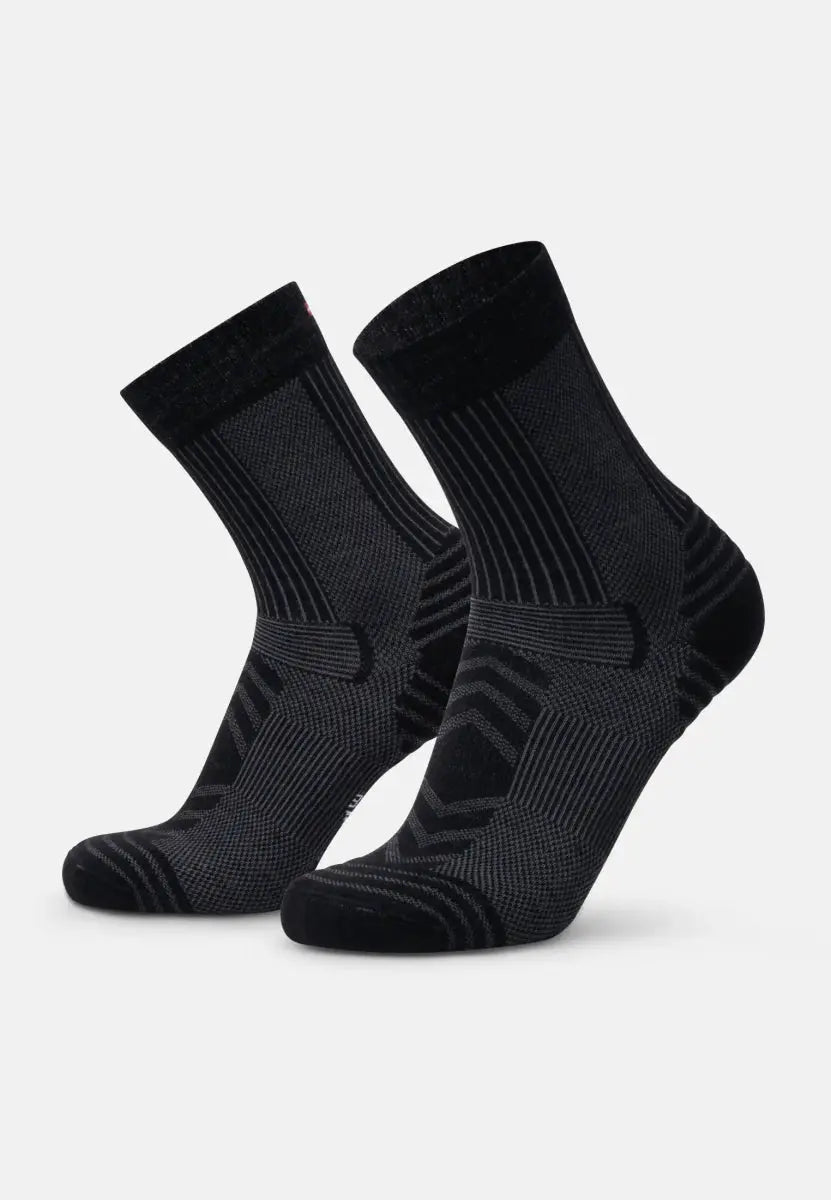
All hiking socks in the collection feature targeted cushioning from heel to toe. This cushioning helps prevent blisters and provides shock absorption with every step, which is particularly valuable on rocky or uneven surfaces. The socks also include reinforced zones in high-wear areas, such as the heel and toe, which enhance their durability during demanding trail conditions.
Moisture management is crucial for trail comfort. The hiking socks include breathable mesh and ventilation zones that promote airflow around your feet, helping to prevent overheating during extended hiking sessions. For wet trail conditions, the socks feature moisture-wicking properties that draw perspiration away from your skin, keeping your feet drier throughout your hike.
For temperature regulation, the wool hiking socks feature merino wool blend material, which provides natural warmth and odor resistance. This material excels at maintaining comfortable foot temperature across varying weather conditions, from cool morning starts to warm afternoon hiking. Many hikers choose merino hiking socks from this collection because they balance insulation, breathability, and durability for year-round use.
Why comfort matters on long walks
Foot comfort directly determines how far and how long you can hike before pain forces you to stop. Blisters, hot spots, and pressure points can turn an enjoyable trail experience into an uncomfortable ordeal. The hiking socks are designed with targeted cushioning from heel to toe that absorbs shocks and prevents painful blisters from forming, even when you walk on rough ground for many hours. Reinforced areas in places like the heel and toe make the socks last longer and provide extra protection where you need it most on the trail.
Reducing foot fatigue during activity
The compression hiking socks offer an anatomical fit that supports your foot's natural shape. This special design helps to reduce how tired your feet feel and can even help prevent swelling in your feet and ankles during long periods of activity. Some of the merino wool socks also feature targeted support zones that give gentle compression, which can improve blood flow and keep you feeling fresh.
By selecting merino wool hiking socks with the right level of compression and cushioning, you support the muscles and joints in your feet and lower legs. This can help you maintain a steady pace during long-distance hikes and reduce the risk of discomfort at the end of the day.
Stay comfortable in any weather
Temperature regulation becomes critical during outdoor activities where conditions can shift dramatically throughout the day. The wool hiking socks feature merino wool blend materials with natural thermoregulating properties that automatically adjust to changing conditions. Merino wool's fiber structure traps warm air when temperatures drop, while its breathable nature allows excess heat to escape during intense activity. This means your feet maintain optimal temperature whether you're ascending steep terrain in summer heat or navigating snowy trails during Explorer's Essentials adventures.
Keeping your feet dry during activity
Moisture management directly impacts both comfort and foot health during extended outdoor activities. All socks in the category feature moisture-wicking properties that actively pull perspiration away from your skin to the sock's outer layer where it can evaporate. The breathable mesh zones and targeted ventilation areas work together to create airflow channels that prevent moisture buildup in high-sweat areas like the forefoot and arch. Many of the Sports Socks incorporate these ventilation systems strategically placed where your foot generates the most heat.
By choosing breathable merino hiking socks, you minimise the risk of damp feet that can lead to blisters and discomfort on long walks. Dry feet not only feel better, they also help keep your hiking boots fresh over time.
Explore different types of hiking socks
Wool hiking socks excel in variable mountain conditions where temperature and moisture levels change throughout the day. The natural fiber structure of wool creates insulating air pockets when dry, yet continues to provide warmth even when wet—a critical advantage during stream crossings or unexpected weather changes. Wool's natural antimicrobial properties also resist odor development, which becomes crucial during multi-day treks.
Within this collection, you can find lightweight hiking socks for faster adventures, midweight options for year-round use, and thicker, warm styles that work well as winter hiking socks. Many models use merino wool blends that combine softness, durability, and performance, making them ideal merino wool hiking socks for challenging conditions.
Choosing cushioned socks for hiking
Many of the hiking socks feature targeted cushioning from heel to toe, which significantly reduces pressure on sensitive areas like the heel and forefoot. This extra padding is strategically placed in high-impact zones to absorb the repetitive shock of each step on hard surfaces. The cushioning also provides a protective barrier between your foot and potential pressure points from hiking boot seams or lacing systems.
If you often carry a heavy backpack or hike on rocky paths, consider cushioned merino hiking socks that provide additional padding underfoot. This can help reduce fatigue and provide a more comfortable feel inside both hiking boots and trail shoes.
Staying cool with summer hiking socks
Summer hiking presents unique challenges, as intense sun, steep climbs, and high temperatures can quickly lead to overheated feet and excessive sweating. Socks designed for warm-weather activities feature breathable mesh zones that create airflow channels in high-sweat areas, like the arch and forefoot. The moisture-wicking fibers actively transport perspiration away from the skin to the sock's outer surface, where it can evaporate.
For hotter days, look for lighter merino wool hiking socks or liner socks that pair well with breathable hiking footwear. These options help your feet stay cool while still benefiting from the natural properties of merino wool.
Finding warmth in winter hiking socks
Cold weather hiking demands insulation that maintains effectiveness even in wet conditions from snow or perspiration. Some of the men's outdoor socks and others in this category offer thermal properties that maintain comfort when temperatures drop below freezing. Wool's crimped fiber structure traps warm air in thousands of tiny pockets, creating effective insulation that maintains its thermal properties even when damp.
Thicker merino wool hiking socks are especially suited to winter hikes, as they provide cushioning as well as warmth. When combined with appropriate hiking boots and layering, these socks help keep your feet comfortable over long hours in the cold.
Using hiking sock liners for extra protection
Hiking sock liners function as a blister prevention system by creating a smooth interface between your foot and the outer sock. These lightweight socks can be worn alone during shorter hikes or as a base layer under thicker hiking socks for extended treks. They feature flat seams that eliminate the raised stitching found in regular socks, preventing the friction points that develop into hot spots during repetitive walking motions.
Liner socks work particularly well with merino hiking socks, as they enhance moisture management and add an extra layer of comfort. This combination can be useful on multi-day treks, where you need reliable performance from your hiking socks day after day.
How to choose the right hiking socks
Selecting the right pair of hiking socks depends on your activity, footwear, and the conditions you expect on the trail. Taking a moment to think about these factors can help you find merino wool hiking socks that match your needs and support you on every step.
Match your socks to the season and terrain
For warm-weather day hikes on well-maintained paths, lightweight or midweight hiking socks with breathable panels are often ideal. They help keep your feet cool and dry while still providing enough cushioning for comfort. In contrast, demanding mountain routes, uneven trails, or winter hikes may call for thicker, more cushioned merino hiking socks that offer greater insulation and shock absorption.
Consider how exposed the trail is, how long you plan to hike, and whether you expect mud, snow, or rocky paths. Adjusting your sock thickness and cushioning to the terrain helps you stay comfortable and focused on your route.
Consider fit, length, and footwear
Hiking socks should fit snugly without feeling tight, with no excess fabric that can bunch and cause blisters. When choosing merino wool hiking socks, think about the type of footwear you use most often. Trail running shoes, low hiking shoes, and high-cut hiking boots may each work better with different sock lengths.
Low-cut or crew socks are often suitable for lighter shoes, while mid-calf or higher styles help protect the ankle and lower leg from rubbing when wearing taller boots. A good fit in both sock and shoe reduces friction, supports your arch and ankle, and helps keep your foot stable on uneven ground.
Think about cushioning and activity level
If you mainly take shorter walks or light hikes with minimal elevation, thinner hiking socks with moderate cushioning may be sufficient. They offer a close feel for the trail and good breathability. For longer hikes, backpacking trips, or routes with a lot of impact on your joints, cushioned merino hiking socks can help protect your feet and improve overall comfort.
Pay attention to how much padding you prefer under the heel and forefoot, as this varies from person to person. Some hikers like a more minimal feel, while others benefit from generous cushioning on long days outdoors.
Benefits of merino wool hiking socks
Merino wool stands out as a versatile material for outdoor performance. When used in hiking socks, it brings together comfort, function, and practicality in one layer. Many hikers choose merino wool hiking socks because they deliver reliable performance across changing conditions.
Soft feel with durable performance
Merino wool fibers are finer than many traditional wool types, giving them a naturally soft feel against the skin. When blended with other performance fibers, merino wool creates hiking socks that feel comfortable during long days while still offering the resilience needed for rugged use on the trail.
This balance of softness and durability makes merino hiking socks a strong choice for regular walkers, long-distance hikers, and anyone who spends extended time outdoors.
Odour resistance for multi-day hikes
One of the main advantages of wool hiking socks is their resistance to odour. Merino wool fibres help reduce the build-up of unwanted smells, which is especially useful on multi-day trips where you may not be able to wash your socks regularly. This allows you to pack fewer pairs while still feeling comfortable and fresh.
When you are planning hut-to-hut routes, wild camping, or backpacking journeys, merino wool hiking socks can contribute to a more pleasant experience by helping manage odour and moisture over several days.
Everyday use beyond the trail
While these hiking socks are designed for outdoor adventures, many of the same features that perform on the trail also work well in everyday life. Cushioned soles, breathable panels, and supportive fits make them practical choices for long days on your feet, commuting, or travelling.
If you appreciate the feel of merino hiking socks on your hikes, you may also enjoy wearing similar styles during daily activities, city walks, or when you simply want extra comfort and support.
Caring for your hiking socks
Taking care of your hiking socks helps them maintain their performance and comfort over time. Always follow the care instructions that come with your socks, paying attention to washing temperatures and drying recommendations.
After hikes, allow your merino wool hiking socks to air out fully before storing them, especially if they are damp from sweat or rain. This supports the natural properties of the fibres and helps keep your socks ready for your next adventure.
Build your hiking sock rotation
Having a small rotation of hiking socks makes it easier to adapt to changing conditions and activities. You might choose lighter socks or liners for shorter summer walks, midweight merino hiking socks for general use, and warmer, cushioned options for colder weather or backpacking trips.
By combining different styles from this collection, you can create a flexible set of hiking socks that supports you throughout the year, whether you are exploring local trails or heading out on longer expeditions.